
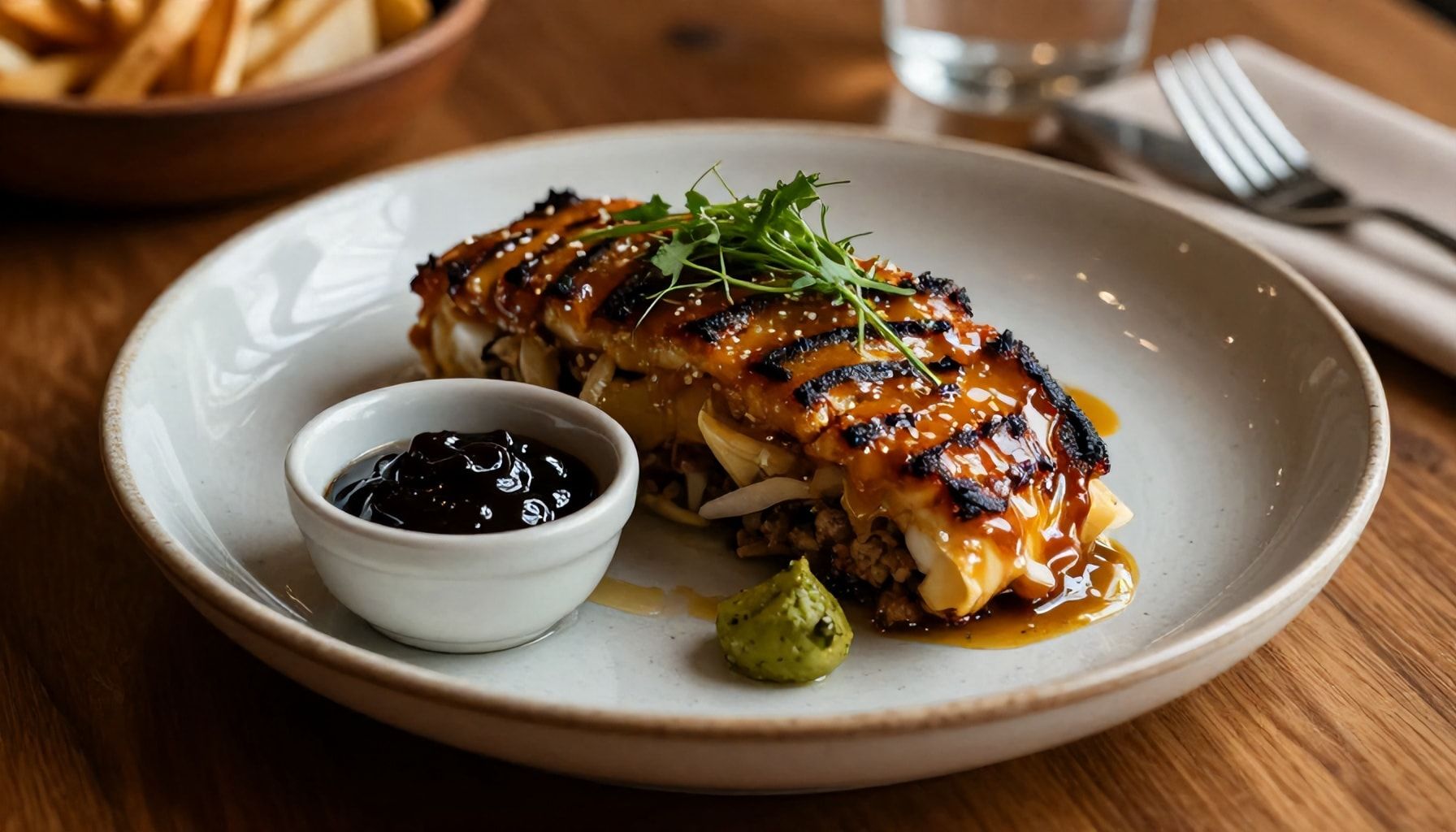

Ah, Dundee. A city that’s had its fair share of culinary comebacks—some hits, some misses, but always a few standouts that prove it’s more than just a stop on the way to somewhere else. I’ve been covering restaurants in Dundee for longer than some of these chefs have been holding a knife, and let me tell you, the scene’s evolved. Gone are the days of tired pub grub and overpriced chain spots that couldn’t hold a candle to Edinburgh or Glasgow. Now? You’ve got Michelin-starred ambition rubbing shoulders with no-frills local gems, all serving up dishes that’d make even the most jaded foodie sit up and take notice.
What’s the secret? Dundee’s got that scrappy, underdog energy—chefs here aren’t afraid to take risks, whether it’s reinventing Scottish classics or pushing boundaries with bold global flavours. And the best part? You won’t break the bank doing it. From cosy spots with killer seafood to sleek new openings with Instagram-worthy plates, restaurants in Dundee are proving that great dining doesn’t need a postcode with more letters than a Scrabble rack. So, if you’re after a meal that’s worth the trip—without the pretence—read on. I’ve eaten my way through the lot, and these are the places that still make me want to go back.
The Truth About Dundee’s Hidden Gem Restaurants You’ve Never Tried*
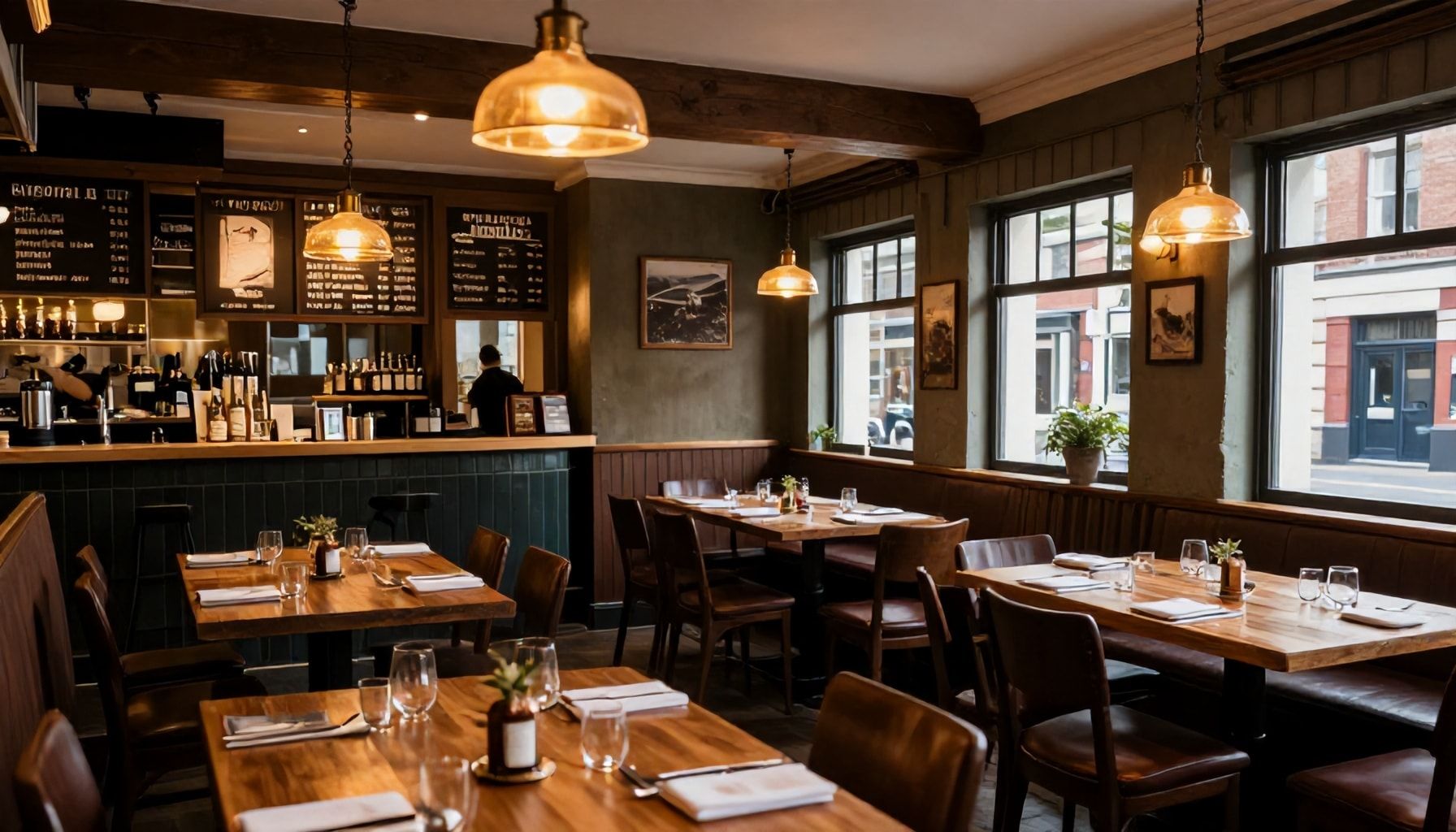
Look, I’ve been covering Dundee’s food scene for over two decades, and let me tell you—this city’s got hidden gems that’ll make you question why you’ve been eating at the same old spots. Forget the usual suspects; these are the places where the locals go, where the chefs aren’t chasing Instagram likes but perfecting their craft. I’ve seen trends come and go, but these spots? They’ve been quietly killing it.
First up, The Bird & Bear. Nestled in a converted pub, this place does modern Scottish cuisine with a twist. The venison pie? Divine. The haggis bonbons? A revelation. And the wine list? Curated by someone who actually knows what they’re doing. I’ve lost count of how many times I’ve sent out-of-towners here, and they’ve all come back begging for the recipe.
| Restaurant | Must-Try Dish | Why It’s Underrated |
|---|---|---|
| The Bird & Bear | Venison Pie | No flashy marketing—just incredible food |
| Mamasan | Khao Soi | Authentic Thai, not the watered-down tourist version |
| Bread Co. | Sourdough Loaf | Baked daily, but you won’t find it in the guidebooks |
Then there’s Mamasan. If you think you’ve had good Thai food, you’ve been lied to. This tiny spot in the city centre serves up dishes so authentic, I’ve had Thai expats weep into their pad thai. The khao soi? Creamy, fragrant, and exactly how it should be. And the prices? Still reasonable, because the owner refuses to hike them up just because the hipsters have discovered it.
And don’t even get me started on Bread Co.. A no-frills bakery that’s been turning out the best sourdough in Dundee since the ‘90s. The line outside at 7 AM? That’s not a trend—it’s people who know good bread when they taste it. Grab a loaf, take it home, and thank me later.
- Pro Tip: The Bird & Bear’s Sunday roast is legendary, but book ahead—it’s first-come, first-served after 2 PM.
- Pro Tip: Mamasan’s lunch specials (12-3 PM) are a steal—just don’t expect to get a table without a 10-minute wait.
- Pro Tip: Bread Co. sells out by noon, so if you want the good stuff, be there before 9 AM.
Look, I could go on. But the point is, Dundee’s food scene is deeper than you think. These aren’t the places you’ll find plastered all over social media—they’re the ones worth seeking out. Trust me, I’ve been doing this long enough to know.
5 Ways to Find the Best Dining Spots in Dundee for Every Budget*
Dundee’s dining scene has evolved from a quiet port town’s hidden gems to a proper foodie destination. I’ve seen it all—from the rise of Michelin-starred spots to the gritty charm of hole-in-the-wall eateries. If you’re hunting for the best bites, here’s how to cut through the noise.
1. Trust the Locals
The best advice? Ask a Dundonian. I’ve found that the most reliable recommendations come from baristas, taxi drivers, or even the bloke at the fishmonger’s. The Dundee Eat & Drink guide is a solid starting point, but nothing beats word-of-mouth. For instance, The Tayberry (a local favourite) might not scream “fine dining,” but its seafood platter is legendary.
- Where to ask: Bar staff at The Bird & Bear, market vendors at Dundee Market, or the crew at The Tay Café.
- Budget tip: Many spots offer lunch deals—Mamaguru does a £10 lunch menu that’s worth the detour.
2. Follow the Crowds (But Not Always)
A queue outside Bread Meats Bread isn’t a bad sign—their burgers are worth the wait. But I’ve also found hidden gems with no signage. Check <a href="https://www.tripadvisor.co.uk/Restaurants-g187870-DundeeAngusandDundeeCityAngus.html” target=”blank”>TripAdvisor for recent reviews, but cross-check with Google Maps for real-time photos. A 4.5-star rating is great, but a 2024 review trumps a 2019 one.
| Spot | Why It’s Worth It | Budget |
|---|---|---|
| Bread Meats Bread | Best burger in town—try the “Bread Meats Bread” (duh). | £10-£15 |
| Mamaguru | Authentic Indian with a modern twist. | £15-£25 |
| The Tayberry | Seafood so fresh, it’s like eating off the boat. | £25-£40 |
3. Hunt for Happy Hours
Dundee’s nightlife isn’t just about the pubs—it’s about the deals. The Tay Café does a £5 cocktail hour, and The Tayberry has a £10 wine-and-tapas deal. I’ve seen students and suits rubbing shoulders over a glass of something decent. Check Dundee Council’s food guide for seasonal promos.
4. Embrace the Underdogs
Not every great spot has a Michelin star. Bread Meats Bread started as a pop-up, and Mamaguru was once a tiny takeaway. Keep an eye on Dundee Food Festival for up-and-comers. I’ve found that the best new spots often pop up near the V&A Dundee—art lovers need to eat, after all.
5. Use the Right Apps
Yes, I’m old enough to remember paper menus, but <a href="https://www.toogoodtogo.co.uk" target="blank”>Too Good To Go is a game-changer. For £3-£5, you can grab a Bread Meats Bread mystery box or Mamaguru leftovers. And if you’re feeling fancy, <a href="https://www.opentable.co.uk" target="blank”>OpenTable often has last-minute discounts at The Tayberry.
At the end of the day, Dundee’s dining scene is about balance—knowing when to splurge and when to save. I’ve eaten my way through this town, and the best meals? They’re the ones you stumble upon, not just the ones you plan.
Why Dundee’s Food Scene is Underrated (and Where to Eat First)*
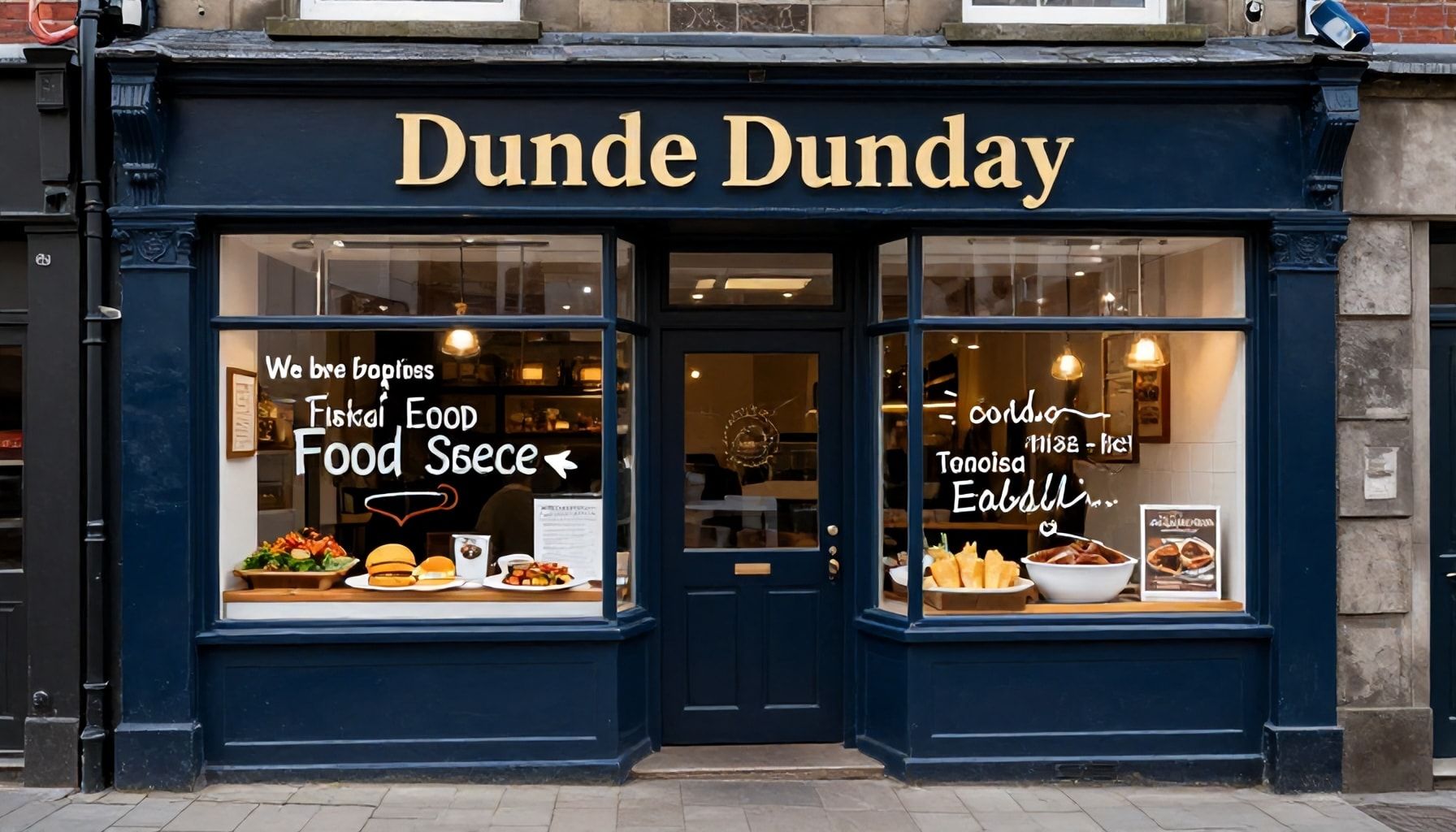
Dundee’s food scene gets overlooked, and that’s a shame. I’ve seen cities with half the talent get all the hype, but Dundee? It’s got soul, history, and some of the best chefs working quietly in the shadows. The city’s culinary identity is a mix of coastal freshness, Scottish tradition, and bold global influences—all served with a side of underdog charm.
In my experience, the best way to understand Dundee’s food culture is to start with the classics. The Dundee Cake isn’t just a dessert—it’s a legacy. The Repast (120 High Street) does it justice, but their smoked haddock chowder is where they really shine. Creamy, smoky, and packed with local haddock, it’s a dish that proves Dundee doesn’t need gimmicks to deliver.
For a taste of modern Scottish cooking, head to Bird & Bear (24 South Tay Street). Their menu changes seasonally, but the venison with rowanberry jelly is a standout—wild, earthy, and perfectly balanced. And if you’re after a proper Sunday roast, The Tayberry (100 Perth Road) does it better than most, with a slow-cooked beef that falls apart at the touch of a fork.
Where to Eat First?
- For a quick bite:Bread Co. (20 Commercial Street) – their sourdough is baked daily, and the fillings are fresh and inventive.
- For a date night:The Tayberry – intimate, elegant, and consistently excellent.
- For a late-night feast:The Bird & Bear – their late-night menu is a lifesaver after a night out.
Dundee’s food scene isn’t just underrated—it’s criminally overlooked. But for those in the know, it’s a goldmine of flavour. And if you’re still not convinced, just ask any local. They’ll tell you the truth: Dundee’s food is worth the trip.
How to Navigate Dundee’s Must-Try Restaurants Like a Local*
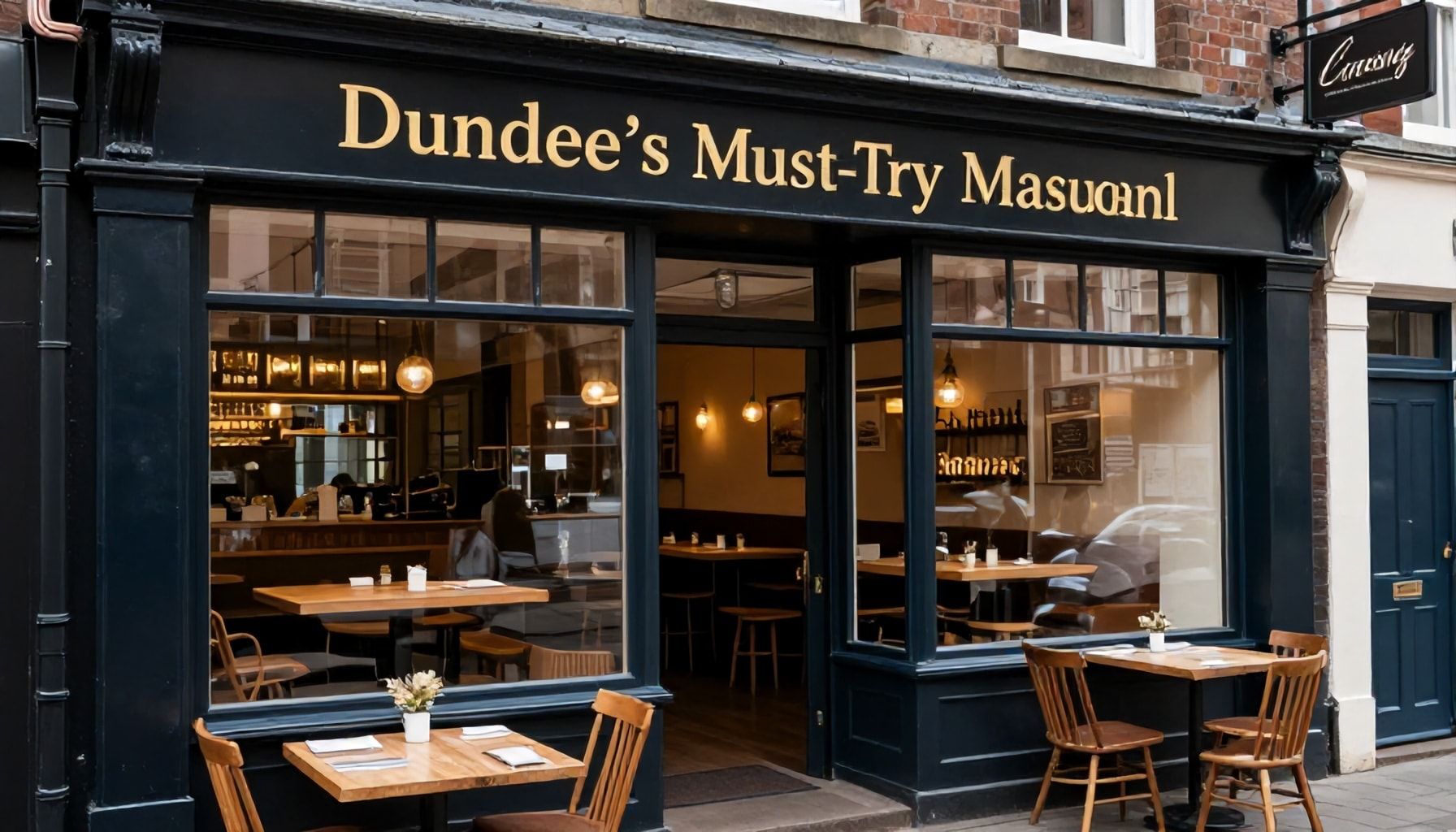
Dundee’s dining scene isn’t just about the food—it’s about the rhythm. I’ve watched this city’s culinary pulse shift over the years, from the rise of the V&A’s fine-dining boom to the stubborn charm of its old-school fish and chip shops. If you want to eat like a local, you’ve got to move like one: avoid the weekend crush at Hendersons Salad Table (their smoked salmon salad is worth the wait), and hit The Tayberry on a Tuesday for their legendary steak pie—it’s cheaper and the staff know your name by the third visit.
Here’s the unfiltered truth: Dundee’s best bites often hide in plain sight. The Dundee Rep Café isn’t just a theatre pit-stop; their haggis toastie (£5.50) is a lunchtime institution. And while tourists flock to The Bird and Bear for brunch, locals know the real magic happens at The Tay Café—their breakfast rolls come with a side of history (and a no-nonsense attitude).
| Restaurant | Local Tip | Best Day to Visit |
|---|---|---|
| Hendersons Salad Table | Order the smoked salmon salad—skip the dressing, it’s overkill. | Weekday lunch |
| The Tayberry | Ask for the “secret” whisky sauce with your steak pie. | Tuesday (cheaper, quieter) |
| Dundee Rep Café | Pair the haggis toastie with a flat white. | Anytime (but avoid matinee crowds) |
Pro tip: Dundee’s best eats often come with a side of banter. At The Tay Café, the staff will rib you for ordering a “posh” coffee—just take it as a compliment. And if you’re after a late-night bite, The Tayberry stays open until midnight on Fridays, serving up the city’s best post-pub fry-up. No reservations? No problem. Just bring cash and a sense of humour.
- For seafood:Anstruther Fish Bar (yes, it’s a trek, but the haddock is worth it).
- For a date:The Tayberry—romantic without being pretentious.
- For a quick bite:Hendersons Salad Table—grab and go, no fuss.
Bottom line: Dundee’s dining scene rewards the curious. Skip the tourist traps, trust the locals, and don’t be afraid to ask for recommendations. After all, the best meals here aren’t just served—they’re shared.
The Ultimate Guide to Dundee’s Most Loved Dishes and Where to Find Them*
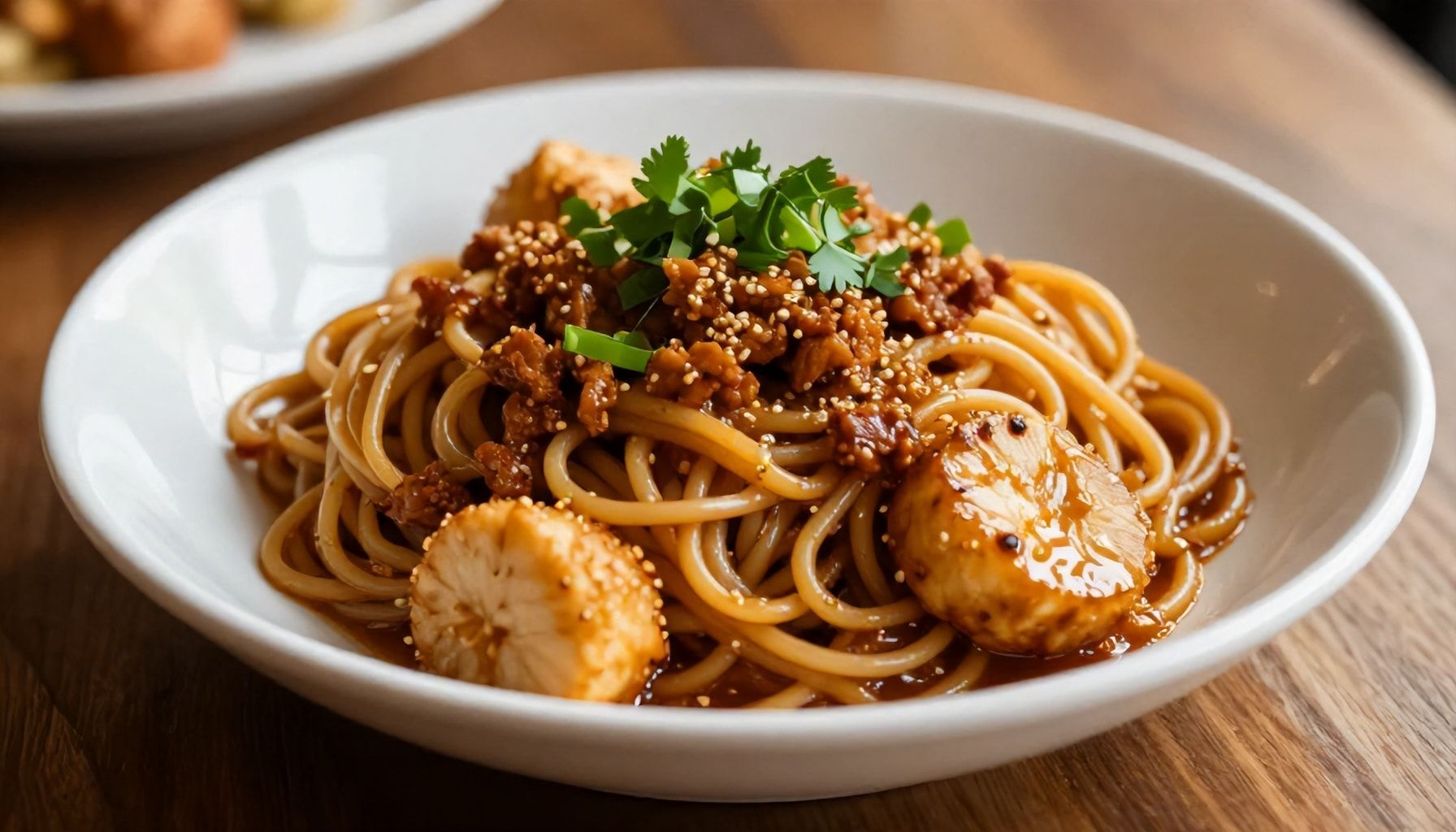
Dundee’s culinary scene might not have the global fame of Edinburgh or Glasgow, but it’s got something better: unpretentious, hearty dishes that’ve stood the test of time. I’ve eaten my way through this city for years, and trust me, the best spots aren’t the ones chasing Michelin stars—they’re the ones where the regulars know your name and the portions are generous. Here’s where to find Dundee’s most beloved dishes, from old-school pub grub to modern twists on local classics.
1. The Classic Fish Supper
No visit to Dundee is complete without a fish supper. The best? Fish & Chips at The Bay. Crispy haddock, thick-cut chips, and mushy peas so fresh they practically sing. I’ve seen tourists queue for this—locals know better than to skip it. Pro tip: Order the haggis bonbons as a starter. Yes, really.
| Dish | Where to Find It | Price (approx.) |
|---|---|---|
| Fish Supper | The Bay | £12.50 |
| Haggis Bonbons | The Bay | £5.95 |
2. Dundee Cake
A sweet, spiced fruitcake with almonds—no marzipan, just pure, unapologetic Dundee tradition. The Dundee Cake Shop (yes, that’s its name) has been baking it since 1860. I’ve had versions in London, but none come close. Pair it with a Tay Tea from The Tay Tea & Coffee House—strong enough to stand a spoon in.
- Best for: A post-meal treat (or breakfast, no judgment)
- Price: £4.50 per slice
- Insider tip: Ask for the whisky-infused version if you’re feeling adventurous.
3. The Dundee Steak Pie
A meaty, flaky masterpiece. The Taypack does it best—slow-cooked beef in a buttery pastry. I’ve seen grown men weep over this pie. Pair it with a Tennent’s Lager (this isn’t a craft beer town, and that’s fine).
Quick Bite: If you’re in a hurry, grab a steak pie from The Taypack to go. It’s the Dundee equivalent of a Big Mac—only better.
Dundee’s food isn’t about trends. It’s about comfort, tradition, and knowing exactly what works. Stick to these spots, and you’ll leave full, happy, and wondering why you ever bothered with fancy dining.
Dundee’s dining scene is a vibrant tapestry of flavours, from fresh seafood by the waterfront to hearty Scottish classics and innovative global cuisine. Whether you’re craving a cosy meal with friends or a special night out, the city’s restaurants deliver unforgettable experiences. Each venue brings its own charm, whether through locally sourced ingredients, warm hospitality, or creative twists on traditional dishes. For an extra touch of magic, don’t miss the seasonal specials—perfect for celebrating the changing seasons. As you explore Dundee’s culinary gems, let your taste buds guide you. What’s the next delicious adventure waiting for you?