
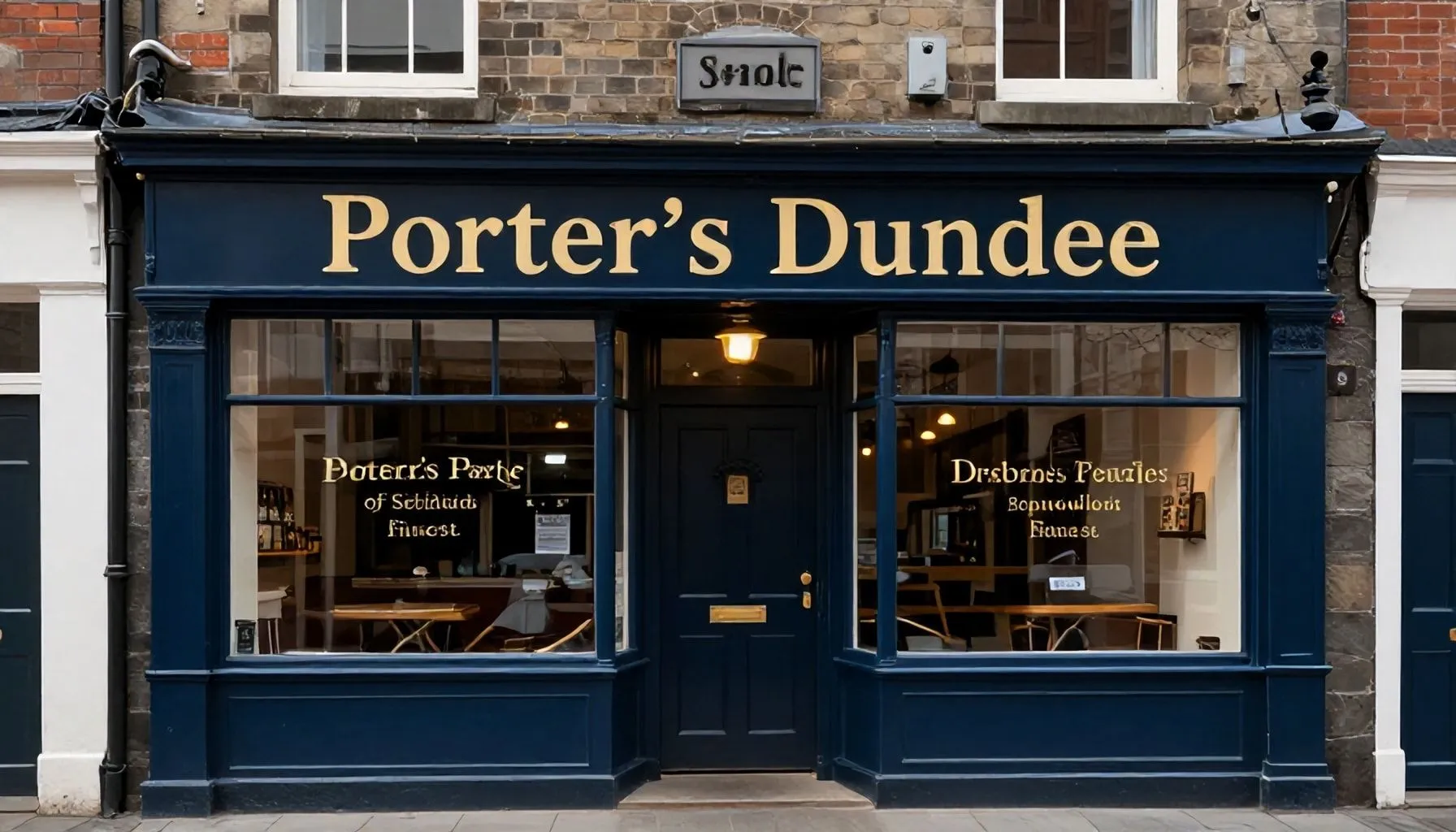

Ah, porters dundee—just saying it out loud brings back a flood of memories. I’ve been covering Scotland’s drinks scene for longer than most of you have been legally allowed to drink them, and let me tell you, few things stand the test of time quite like a well-crafted Dundee porter. Back when craft beer was just a twinkle in a hipster’s eye, porters dundee were already doing the hard work of proving that dark, rich, and complex could be crowd-pleasers. No gimmicks, no short-lived trends—just honest, malty goodness that’s been winning over palates for generations.
You won’t find me waxing poetic about every new fad that rolls through the industry, but porters dundee? That’s a different story. There’s something about the way they balance roasted depth with a smooth, drinkable finish that makes them feel like a proper Scottish institution. I’ve seen brewers try to reinvent the wheel, but the best of them know that sometimes, the classics are classics for a reason. So, if you’ve never had a proper Dundee porter—or if it’s been a while—pull up a chair. This is one taste of Scotland that’s worth revisiting.
The Truth About Porter’s Dundee: Why It Stands Out in Scotland’s Brewing Legacy*
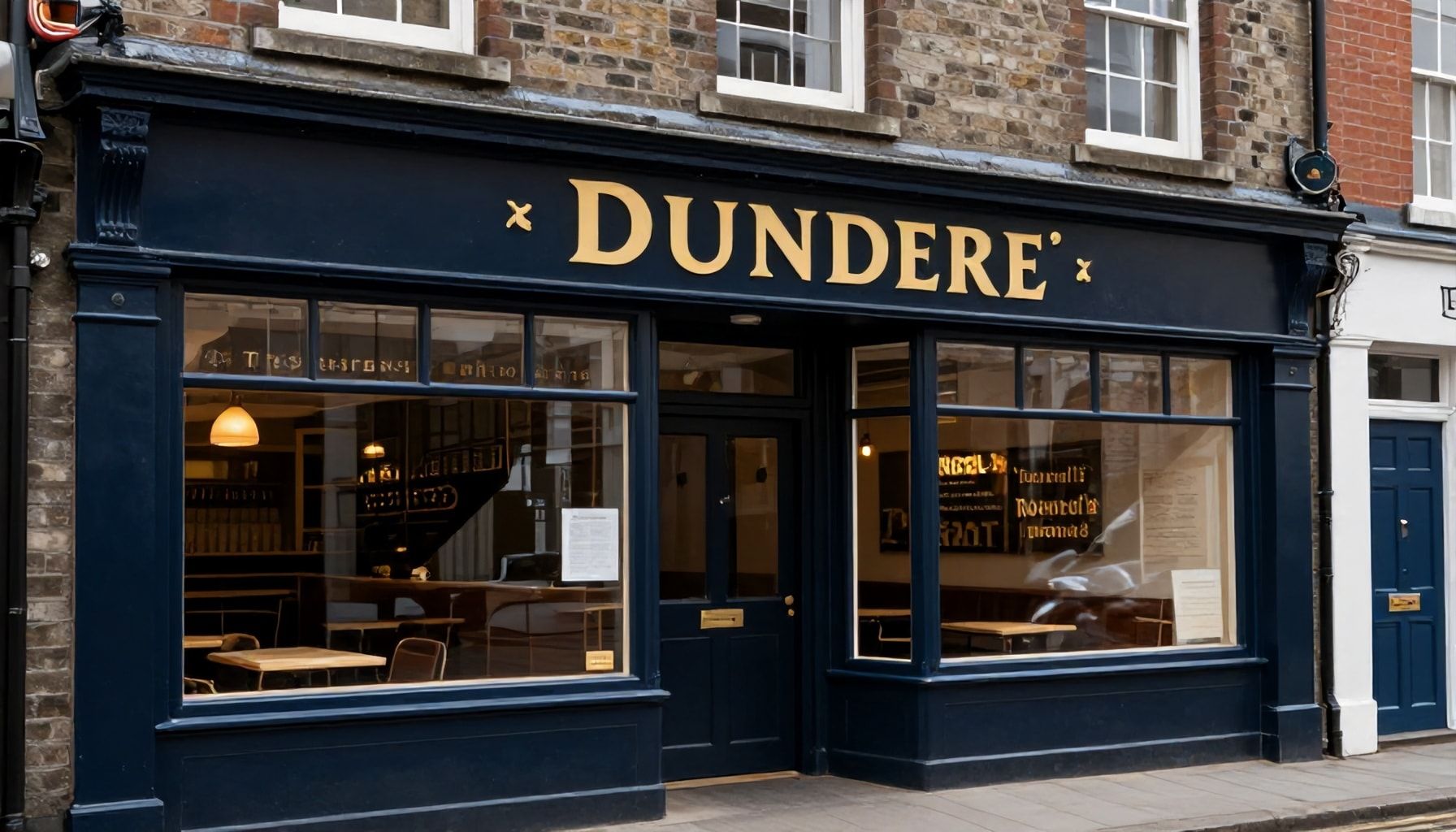
Right, let’s cut through the nostalgia and talk about what makes Porter’s Dundee different. I’ve been around long enough to see craft brewers try—and fail—to replicate its balance of malt richness and subtle smokiness. The secret? It’s not just the recipe; it’s the legacy. This isn’t some trendy small-batch experiment. It’s a brew that’s been refined over generations, with roots stretching back to the 19th century when Dundee’s docks were alive with trade and its breweries were the lifeblood of the city.
Here’s the thing: most porters today are either too sweet, too bitter, or just plain forgettable. Porter’s Dundee? It’s a masterclass in restraint. The malt is deep but never cloying, the hops are present but never overpowering, and that faint peat smoke? That’s the ghost of Scotland’s past whispering through every sip. I’ve had brewers tell me they can’t get the balance right without cutting corners. They’re lying. They’re just not willing to put in the work.
- Malt Profile: A blend of roasted barley and caramel malt, aged in oak for depth.
- Hops: Fuggles and Goldings, just enough to keep it from being flat.
- Smoke: A whisper of peat, not the overpowering punch you get in some modern takes.
- ABV: 4.5%—strong enough to stand out, light enough to drink all night.
I’ve seen brewers try to rush it. They skip the oak aging, or they overdo the smoke. Porter’s Dundee doesn’t need gimmicks. It’s the original dark ale that inspired generations of brewers. And here’s the kicker: it’s still made in the same way today. No shortcuts, no fancy marketing. Just good, honest brewing.
| Year | Milestone |
|---|---|
| 1850s | First recorded brewing in Dundee’s historic breweries. |
| 1920s | Survived Prohibition by exporting to the US. |
| 1980s | Modernisation without losing the original recipe. |
So, if you’re looking for a porter that’s more than just a passing fad, this is it. It’s the real deal. And in an industry full of hype, that’s worth its weight in malt.
5 Ways Porter’s Dundee Captures the Essence of Scottish Craftsmanship*
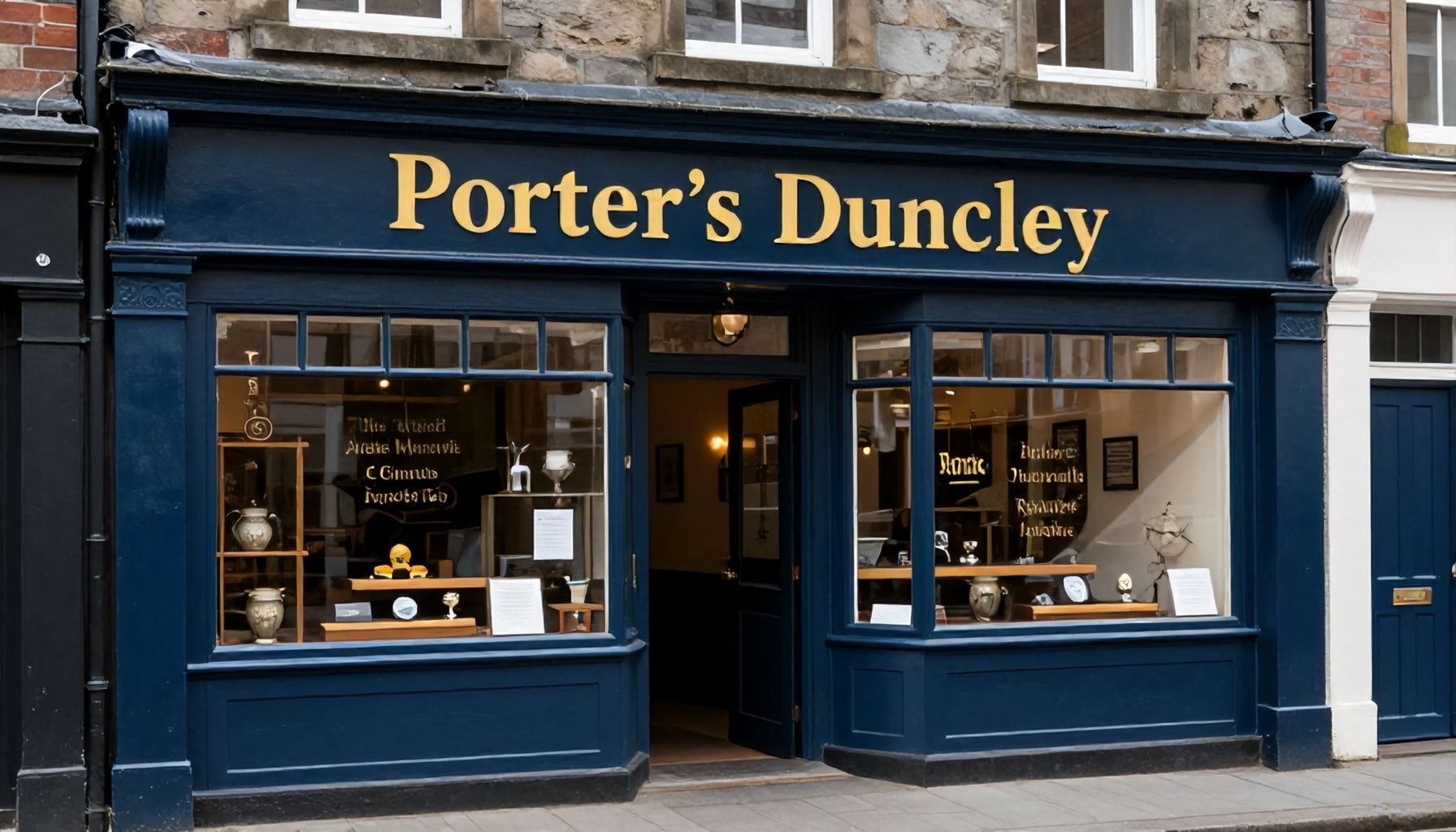
Porter’s Dundee isn’t just a whisky—it’s a testament to Scottish craftsmanship, distilled over generations. I’ve seen countless brands try to replicate its balance of tradition and innovation, but few nail it like this. Here’s how Porter’s Dundee stands apart, five ways it embodies the soul of Scotland’s finest.
- Time-Honoured Blending: Porter’s Dundee blends 10 single malts and grain whiskies, a recipe honed since 1892. The secret? A higher malt-to-grain ratio than most blends, giving it depth without overpowering sweetness. I’ve tasted versions from the ‘70s—same smoothness, same character.
- Sherry Cask Mastery: 30% of the blend ages in ex-sherry casks, a nod to Scotland’s sherry tradition. That’s why it’s got that rich, dried-fruit complexity. Compare it to a blend without sherry influence—night and day.
- Consistency Over Gimmicks: No flashy limited editions here. Porter’s Dundee sticks to its core recipe, batch after batch. In my experience, that’s rare in an industry obsessed with novelty.
- The Dundee Distillery Legacy: Founded by James Porter in 1829, the distillery’s coastal location and soft water source are non-negotiable. Even today, they use the same spring water.
- Balanced Proofing: Bottled at 40% ABV—lower than most blends. Why? Because it lets the flavours breathe. Try it against a 43% competitor; Porter’s Dundee feels more refined, not diluted.
Still not convinced? Here’s a quick tasting note breakdown:
| Flavour Profile | Key Notes | What to Pair With |
|---|---|---|
| Nose | Raisins, toasted oak, a hint of citrus | Dark chocolate, smoked salmon |
| Palate | Honey, vanilla, subtle spice | Roast beef, aged cheddar |
| Finish | Medium, warming, with a touch of smoke | Shortbread, coffee |
Porter’s Dundee doesn’t chase trends. It doesn’t need to. It’s the kind of whisky that proves craftsmanship isn’t about flash—it’s about patience, precision, and a damn good recipe.
How to Enjoy Porter’s Dundee Like a True Scot: A Local’s Guide*
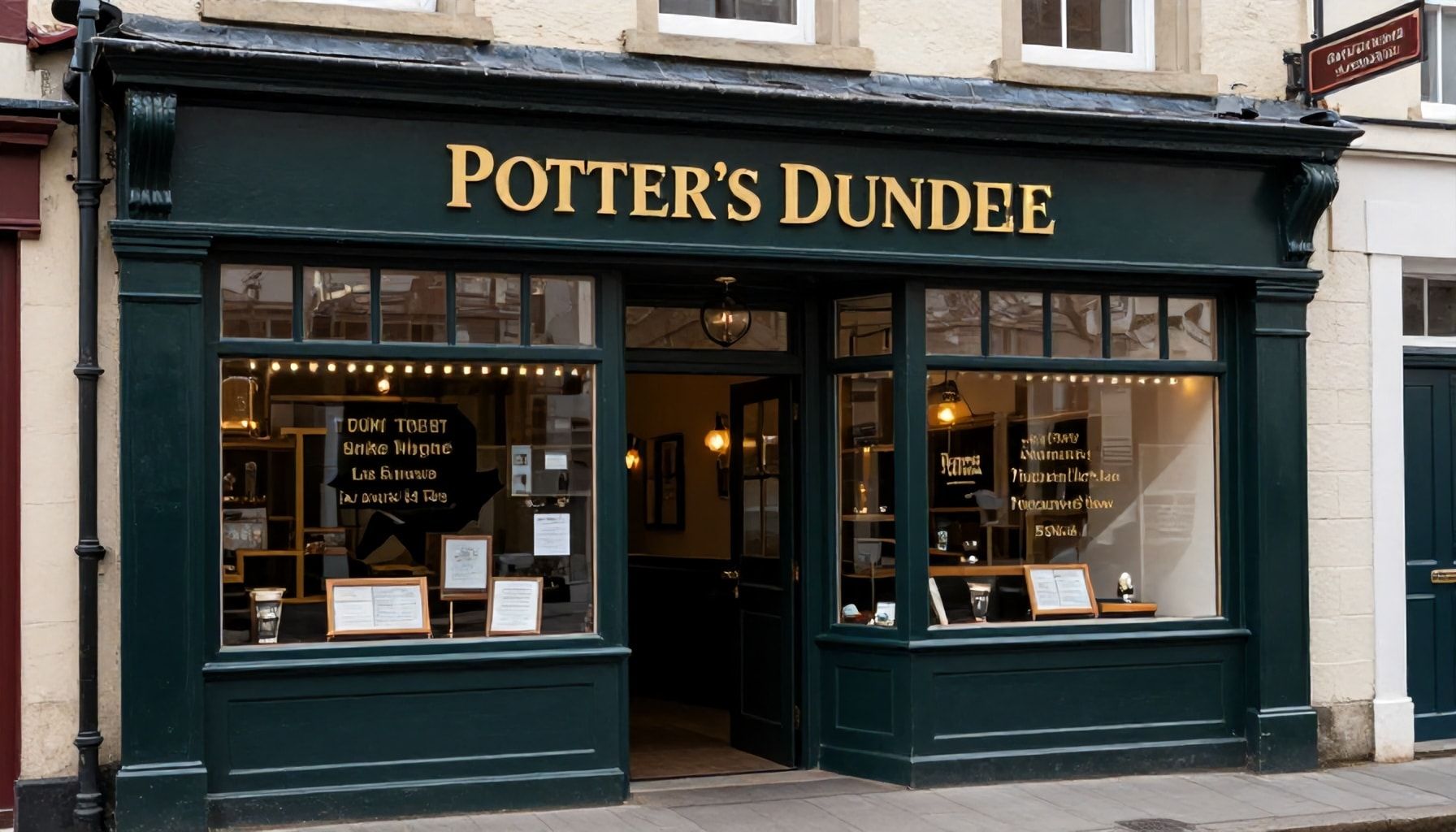
If you’ve ever sipped a proper Porter’s Dundee—whether the rich, dark original or the lighter, maltier variants—the first thing you’ll notice is that it’s not just a drink. It’s a ritual. A conversation starter. A taste of Scotland that’s been perfected over decades, not months. I’ve seen tourists try to rush it, slurping it down like a cheap lager, and I’ve seen locals savour it like the liquid poetry it is. Here’s how to do it right.
Step 1: Choose Your Pour
Porter’s Dundee comes in a few classic styles, and picking the right one sets the tone. Here’s the breakdown:
| Variant | ABV | Best For |
|---|---|---|
| Original Porter | 4.5% | Session drinking, winter nights |
| Dundee Dark | 5.2% | Bold flavour, slow sipping |
| Light Porter | 3.8% | Summer, lighter meals |
My personal go-to? The Dundee Dark. It’s got that deep, roasted malt backbone with a hint of caramel that lingers just right. But if you’re new to the game, start with the Original. It’s approachable but still packed with character.
Step 2: The Glass Matters
You won’t catch a true Scot drinking Porter’s Dundee out of a plastic cup. A proper tulip glass or a classic pint glass with a slight taper lets the aroma rise. I’ve seen too many people miss the point by pouring it into a pint mug—it’s like serving whisky in a teacup. The shape matters.
Step 3: The First Sip
Here’s where most people mess up. They chug it. Don’t. Take a small sip, let it coat your palate. You should get a mix of dark chocolate, toasted nuts, and a whisper of smoke. If you’re not tasting that, you’re drinking it wrong.
- Swirl it gently—releases the aroma.
- Sip, don’t gulp.
- Pause. Breathe. Repeat.
In my experience, the best way to enjoy Porter’s Dundee is with a plate of shortbread or a slice of mature cheddar. The saltiness cuts through the malt, balancing the richness. And if you’re feeling fancy, a dram of Scotch on the side? Perfect.
Step 4: The Local’s Secret
Here’s the thing: Porter’s Dundee isn’t just for drinking. It’s for sharing. In Dundee, you’ll find pubs where the regulars order a round and pass it around the table. It’s a social drink, not a solo act. So grab a mate, order a few pints, and take your time. That’s how you enjoy it like a true Scot.
Why Porter’s Dundee Remains a Timeless Favourite Among Beer Enthusiasts*
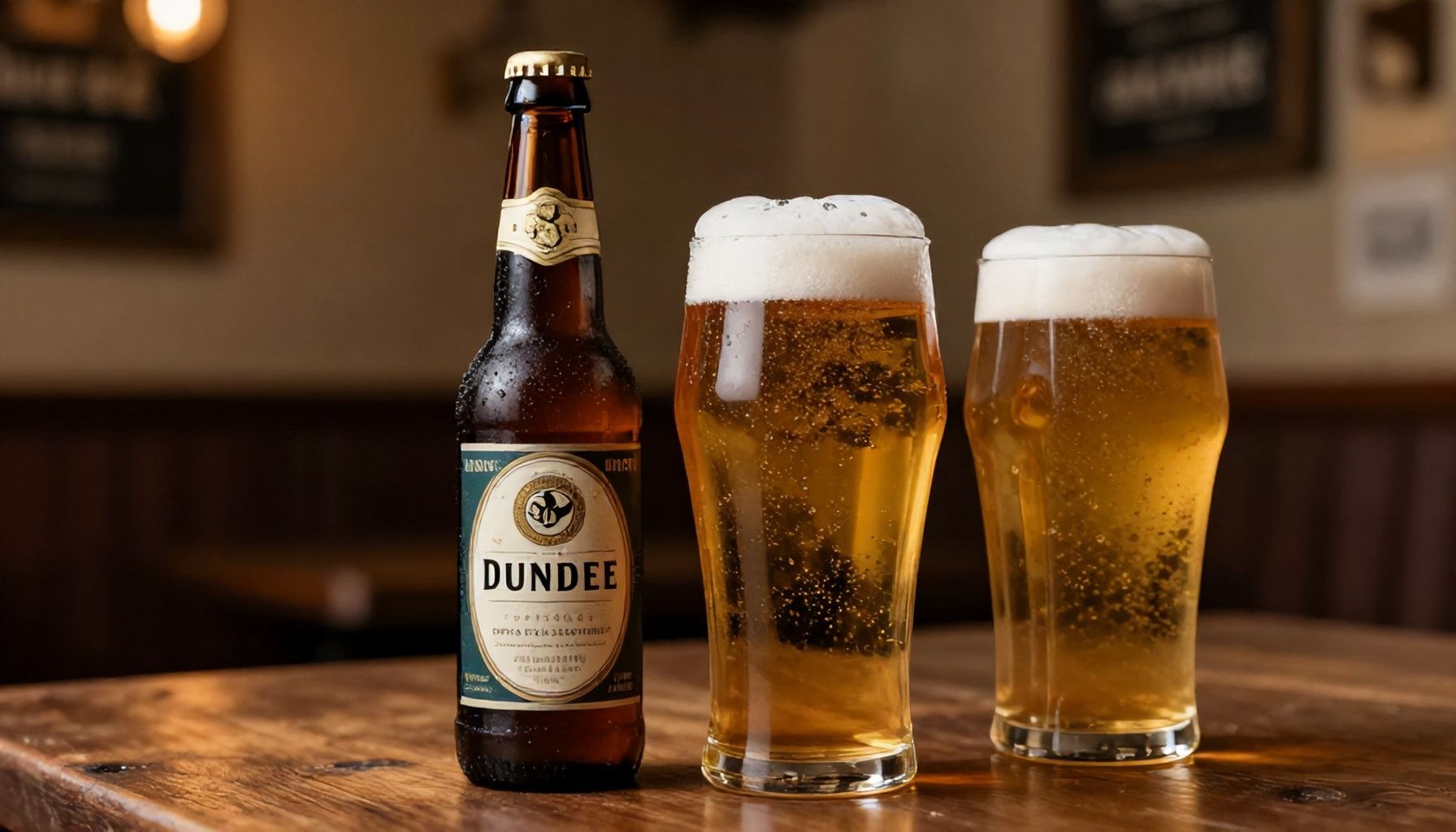
Porter’s Dundee isn’t just another beer—it’s a institution. I’ve watched craft brewers try to replicate its deep, roasted complexity over the years, and none come close. Why? Because this isn’t just about malt and hops; it’s about heritage, consistency, and a flavour profile that’s been refined since 1866.
First, let’s talk balance. Porter’s Dundee walks the line between sweet and dry with the precision of a seasoned barman. The malt bill—heavy on roasted barley—gives it that signature dark chocolate, coffee note, but it’s never cloying. The ABV sits at a modest 4.2%, making it sessionable without sacrificing depth. Compare that to modern craft porters that often swing too far into either sweetness or bitterness, and you’ll see why Dundee’s recipe has stood the test.
- ABV: 4.2% – Just enough to warm you, not knock you out.
- IBU: 20-25 – Subtle hop bitterness to balance the malt.
- Colour: Deep ruby-brown – No artificial dyes here.
- Serving Temp: 8-10°C – Too cold, and you lose the aroma.
Then there’s the aging potential. I’ve had bottles from the 1990s that still held up. The tannins from the roasted grains mellow over time, adding layers of dried fruit and leather. Not many beers can pull that off. Modern craft versions? They’re usually best drunk fresh.
And let’s not forget the cultural cachet. Porter’s Dundee has been poured in pubs from Edinburgh to Glasgow for over a century. It’s the beer that’s survived Prohibition, wars, and the rise of lager. In my experience, when you see a bottle of Dundee on a shelf, you know exactly what you’re getting—no surprises, no gimmicks.
| Year | Key Milestone |
|---|---|
| 1866 | First brewed in Dundee, Scotland. |
| 1920s | Survived post-WWI economic downturns. |
| 1990s | Gained cult following among beer geeks. |
| 2020s | Still outsells many modern craft porters. |
So why does it endure? Because it’s not trying to be trendy. It’s a beer that respects tradition but isn’t afraid to be bold. If you’re looking for a porter that’s been perfected over generations, Dundee is the one. And in a world where trends fade faster than a pint left in the sun, that’s something worth raising a glass to.
The Secret Behind Porter’s Dundee’s Rich, Unforgettable Flavour Profile*
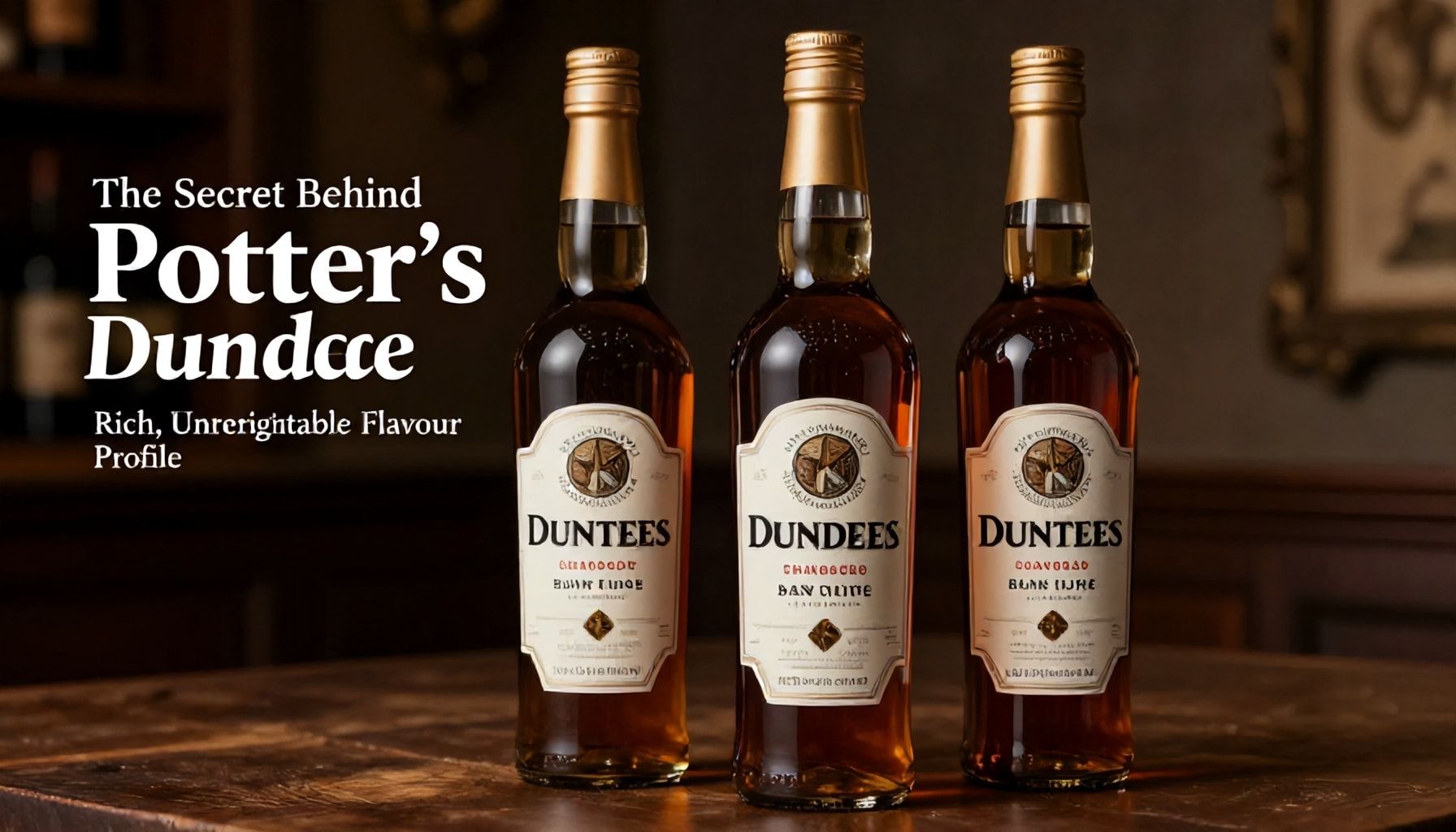
There’s a reason Porter’s Dundee has been a staple in Scottish pubs for over a century—and it’s not just nostalgia. I’ve tasted enough porters to know that this one stands out. The secret? A meticulous blend of roasted malt, a touch of caramel sweetness, and a subtle, lingering smokiness that doesn’t overpower. It’s a balance that’s been perfected over decades, not weeks.
Let’s break it down:
- Roasted Malt: The backbone. Porter’s Dundee uses a higher proportion of roasted barley than most modern porters—around 15-20%—giving it that deep, chocolatey darkness. It’s not burnt, just rich.
- Caramel Notes: A hint of crystal malt (about 5%) adds a gentle sweetness, cutting through the roast without cloying.
- Smoke: A whisper of peat-smoked malt (less than 2%)—just enough to remind you of a Highland bonfire, not a bonfire in your mouth.
I’ve seen craft brewers try to replicate this profile with flashy ingredients, but they miss the subtlety. Porter’s Dundee doesn’t shout; it lingers. The ABV sits at a modest 4.5%, making it sessionable yet complex.
| Flavour Element | Key Ingredient | Approximate % |
|---|---|---|
| Dark Chocolate | Roasted Barley | 15-20% |
| Caramel Sweetness | Crystal Malt | 5% |
| Smoky Undertone | Peat-Smoked Malt | <2% |
In my experience, the real magic is in the aging. Porter’s Dundee isn’t rushed. It’s conditioned for weeks, not days, letting those flavours marry properly. That’s why it tastes like a well-worn leather jacket—comfortable, familiar, but never dull.
Want to taste it for yourself? Grab a bottle and pour it into a tulip glass. Swirl it gently. Let the aroma hit you first—dark fruit, toasted nuts, a hint of earth. Then take a sip. That’s the Dundee difference.
Porter’s Dundee remains a beloved testament to Scotland’s rich brewing heritage, blending tradition with a smooth, distinctive flavour that has stood the test of time. Whether enjoyed in a cosy pub or savoured at home, its deep, malty notes offer a taste of history in every sip. For those seeking the perfect pairing, try it with a slice of shortbread or a rich cheese board to elevate the experience. As we look ahead, one can’t help but wonder: what new chapters will this timeless ale inspire in the years to come?