
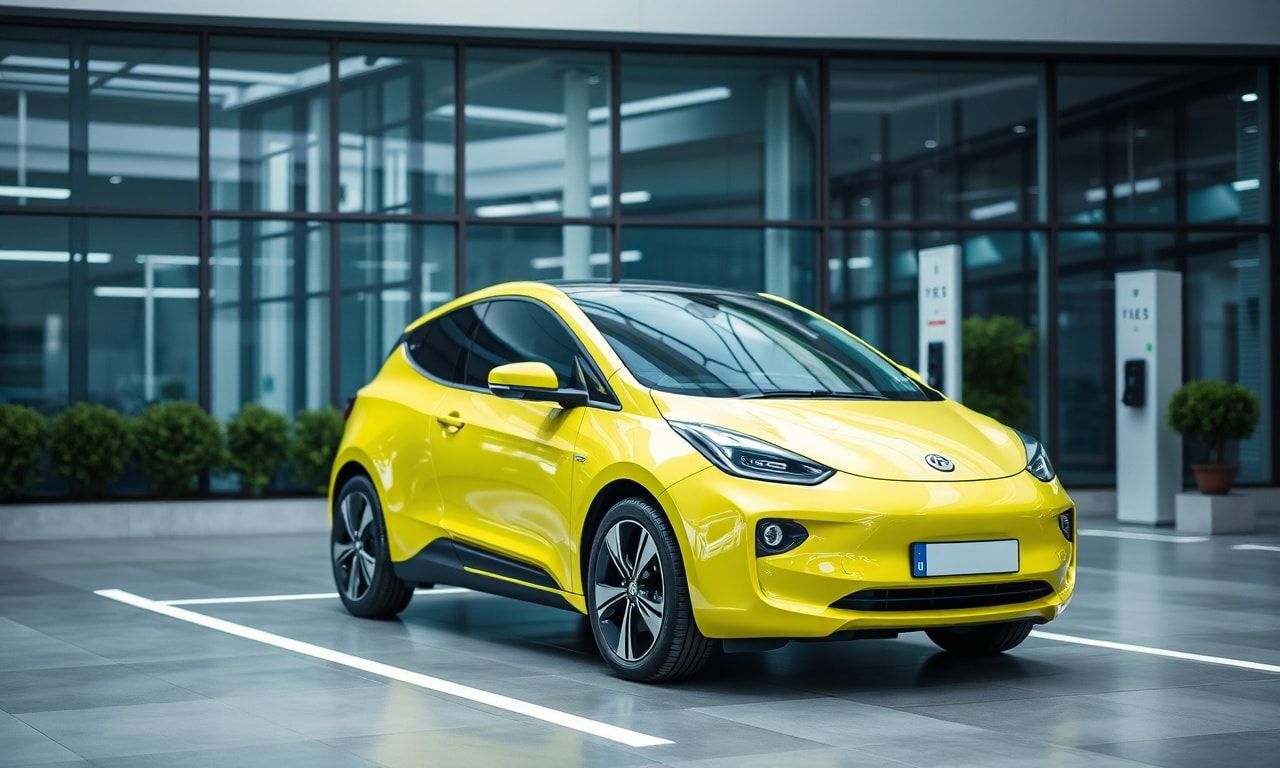

The Global Shift Towards Electric Vehicles
The automotive industry is undergoing a significant transformation, driven by the increasing demand for electric vehicles (EVs). This shift is not only driven by environmental concerns but also by advancements in technology and changes in consumer preferences. Governments worldwide are implementing policies to support this transition, making it a critical topic in current affairs.
Environmental Impact and Policy Changes
The environmental benefits of electric vehicles are well-documented. EVs produce zero tailpipe emissions, which significantly reduces air pollution in urban areas. This has led to various governments setting ambitious targets to phase out internal combustion engine (ICE) vehicles. For instance, the European Union aims to ban the sale of new petrol and diesel cars by 2035, while countries like Norway and the UK have set even earlier deadlines.
These policy changes are accompanied by substantial investments in charging infrastructure and incentives for consumers to switch to electric vehicles. Tax credits, rebates, and exemptions from congestion charges are just a few examples of the measures being implemented to accelerate the adoption of EVs.
Technological Advancements
Technological innovations are at the heart of the electric vehicle revolution. Battery technology has seen remarkable improvements, with increases in energy density, range, and charging speeds. Companies are also investing heavily in research and development to enhance the performance and affordability of electric vehicles.
For those interested in the latest developments in electric vehicle motors, the elektrikli araba motor performansı güncel karşılaştırması provides a comprehensive comparison of current motor technologies. This resource is invaluable for both industry professionals and consumers looking to stay informed about the latest advancements.
Consumer Preferences and Market Trends
Consumer preferences are shifting towards electric vehicles due to their lower operating costs, reduced maintenance requirements, and the growing availability of models that cater to different segments of the market. From compact city cars to high-performance luxury vehicles, there is now an electric vehicle to suit almost every need.
The market trends reflect this growing interest. Sales of electric vehicles have been increasing rapidly, with some countries already seeing EVs account for a significant share of new car registrations. This trend is expected to continue as more consumers become aware of the benefits of electric vehicles and as the technology becomes more accessible.
The Future of Electric Vehicles
The future of electric vehicles looks promising, with continued advancements in technology and supportive policies driving the market forward. However, challenges remain, including the need for further improvements in battery technology, the development of a robust charging infrastructure, and the sustainable sourcing of raw materials.
As the world moves towards a more sustainable future, electric vehicles will play a crucial role in reducing greenhouse gas emissions and combating climate change. The transition to electric mobility is not just a trend but a necessary evolution in the way we think about transportation and its impact on the environment.
As sports seasons kick off and fan merchandise becomes a hot topic, our latest feature navigating online jersey shopping offers essential advice for consumers.
As electric vehicles continue to gain traction worldwide, recent advancements in the industry offer a compelling look at the future of transportation and sustainability.
As electric vehicles gain traction, understanding their impact on motor maintenance is crucial; explore the evolution of vehicle care in our latest feature.