
Advocaat in Den Haag: a practical guide for news readers
A clear, practical guide for readers of DundeeNews on advocaat in Den Haag: what it is, how it’s used in Dutch law, and what to watch for when reporting.

When readers encounter advocaat in Den Haag, they need a plain explanation of what the term means and how it affects news coverage. This guide explains the role of Dutch lawyers in The Hague, what they do in courts, and why reporters should verify attorney details before quoting or citing legal arguments. It also outlines practical steps to check credentials and avoid common framing errors in stories.
Readers interested in court coverage gain a practical checklist for sourcing legal commentary and understanding how Dutch counsel operates in high-profile cases. The article translates legal jargon into concrete reporting tips, with examples that show when to seek expert quotes. It also flags typical pitfalls around misattributing statements or confusing legal roles.
For news readers, the goal is clarity and reliability. This guide provides concrete steps, practical examples, and checks to ensure coverage stays precise when discussing Dutch advocacy in Den Haag. It helps reporters differentiate between lawyers, firms, and public prosecutors, and explains how to verify a lawyer’s status before including them in a story.
- Understand the attorney’s role in Dutch courts and how Den Haag fits in major cases.
- Verify who is speaking and cite official documents when possible.
- Use quotes sparingly and prioritize accuracy over speed.
- Provide readers with a clear path to verify facts themselves.
Basics you should know
Role of the attorney
The attorney represents clients in legal matters and argues on their behalf. In Den Haag, this includes criminal, civil, and administrative cases. Understanding who is on which side helps reporters frame quotes accurately. advocaat in Den Haag
Common duties include filing motions, preparing briefs, and advising clients on strategy. The attorney’s approach can influence how a case is presented in the media, so identifying the attorney’s position early matters. Knowing this prevents misattribution in breaking news.
Legal ethics govern how attorneys interact with courts and the press, including how they disclose information. Reporters should verify a lawyer’s current status, confirmed by official registries, before publishing statements attributed to them. This reduces errors in fast-moving stories.
- Identify the attorney’s client and role at the moment of coverage
- Check official registries for current status
- Note any conflicts of interest before quoting
- Record the exact legal argument presented
How courts use lawyers
Dutch courts rely on counsel to present evidence, examine witnesses, and argue points of law. In Den Haag, high-profile cases often feature multiple attorneys who manage complex procedural issues. Reporters should track who speaks for whom during hearings.
Lawyers file written submissions that can shape the judge’s understanding of the case. These documents are often publicly accessible, but speed matters in news coverage. Verify dates and authors when citing filings.
Judges issue rulings based on the arguments presented by counsel, not personal beliefs. Clear attribution to the responsible attorney helps readers understand the decision’s basis and avoid confusion about who endorsed specific arguments.
- Watch for party vs. counsel distinctions
- Verify dates of filings and hearings
- Credit the correct lawyer in quotes
- Avoid paraphrase that changes meaning
Where to find reliable information

Who can speak for a client
In a case, the speaking lawyer is typically the lead advocate or a designated attorney. The designation can change if a substitute is appointed or if the client changes representation. Confirm the current spokesperson before citing remarks. A useful resource on this topic: FC Utrecht nieuws.
Clients may switch counsel during a case for strategic reasons, so statements attributed to a firm may not reflect a specific attorney’s view. Always seek the name of the speaker and their role when reporting quotes.
Public registries and court records provide baseline confirmation of licensed practitioners. Use these sources to verify someone’s status and avoid repeating unverified claims.
- Ask for the lawyer’s official title
- Check the court docket for current representation
- Cross-check with the law society listing
- Record the exact language used in statements
Citing legal sources
When reporters quote statutes or rulings, they should name the precise source and section. Dutch legal texts sometimes have numbering that affects interpretation. Provide a breadcrumb of sources so readers can verify the information themselves.
Quoting a judge or prosecutor requires careful attribution to the source and the lawyer who presented the argument. Misquoting a section or misplacing a citation is a common error in fast news cycles.
Rely on official documents whenever possible and avoid paraphrasing legal arguments beyond what the cited passage states. This keeps coverage accurate and easier for readers to follow.
- Cite statute, case number, and date
- Specify the exact section cited
- Attribute statements to the correct speaker
- Use official translations if available
Choosing coverage approaches
When to quote a lawyer
Quoting a lawyer is most useful when their interpretation clarifies a point of law or procedural step relevant to the case. Use direct quotes sparingly to preserve accuracy and impact. Ensure the quote reflects the exact argument presented in court filings.
Avoid over-reliance on a single attorney’s perspective, which can bias coverage. Bring in a second lawyer or an official statement to balance the narrative. This improves trust in reporting.
Prepare questions that elicit clear explanations of complex points, such as procedural steps or potential outcomes. Structured questions reduce the risk of misinterpretation by readers.
- Use quotes to illuminate legal nuance
- Balance with other expert voices
- Ask for concrete examples when possible
- Double-check the quote’s source
| Option | Pros | Cons |
|---|---|---|
| Direct quote from counsel | Precise voice; clarity on argument | Potential misattribution; overreliance on one source |
| Paraphrase with glossary | More accessible; faster reads | Possible loss of nuance; needs careful wording |
| Official summaries | High credibility; easy to verify | May lack immediate quotes or color |
Alternatives to direct quotes
If a lawyer’s language is too technical, paraphrase with careful adherence to the meaning. Provide a short glossary for unfamiliar terms to help readers understand the point.
Use official summaries or court press releases to anchor reporting, then add plain-language explanations. This approach keeps stories accessible without sacrificing accuracy.
Include sidebars or explainer boxes that outline the procedural path of the case, so readers see where legal arguments fit within the timeline.
- Paraphrase with caution
- Offer a glossary appendix
- Add a case timeline box
A frequent error is attributing a statement to the wrong lawyer or to the client.
Common pitfalls to avoid
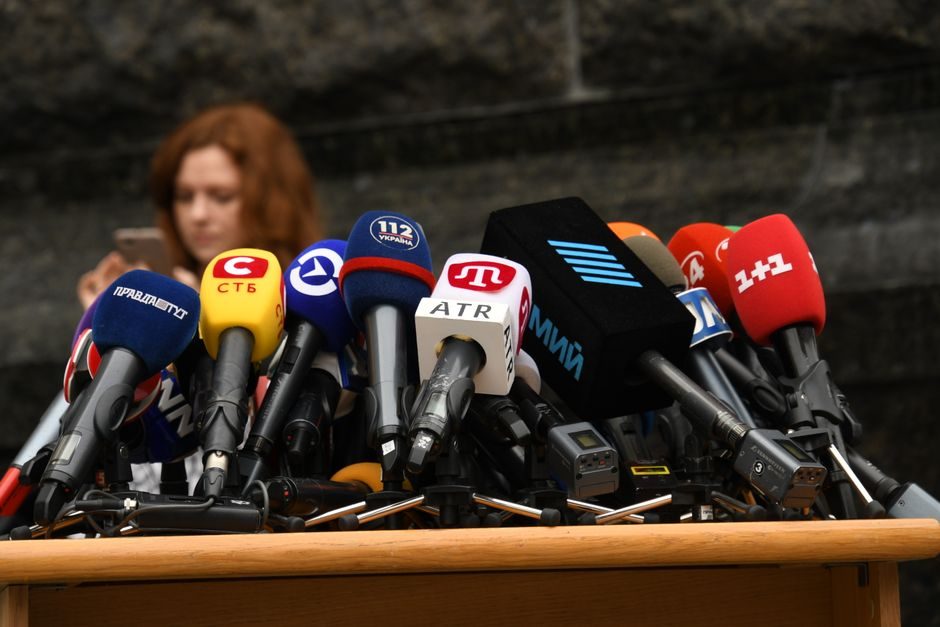
Misattributing quotes
A frequent error is attributing a statement to the wrong lawyer or to the client. This creates confusion about who said what and can undermine credibility. Always verify speaker identity before publication.
Context matters: a paraphrase can change nuance if the speaker’s intention differs from the reported version. When in doubt, revert to the exact quote with a citation.
Courtroom dynamics can be misread when reporters focus on a single dramatic moment rather than the broader legal argument. Reporters should explain how a moment fits the ongoing procedural process.
- Verify speaker identity
- Cite exact quotes only
- Explain the broader legal context
Rushing to publish
Speed pressures can compromise accuracy, especially around procedural details and dates. Take a moment to verify key facts before posting a story. A brief delay to confirm quotes and case numbers can prevent misinformation.
Rushed headlines can mislead readers about the case’s status or outcome. Align headline focus with the verified legal point rather than sensational elements.
Always run a quick cross-check with a second source for contested points. This habit protects trust in news reporting.
- Pause for fact checks
- Avoid sensational headlines
- Cross-check contested points
Ethics and verification
Fact-checking methods for readers
In this sub-section, readers learn practical steps to verify information before sharing. Start by confirming the source, then cross-check with at least two independent outlets reporting the same facts. Finally, assess whether the material could influence public safety, policy, or perception before publishing or reposting.
- Identify the document or person behind a claim.
- Describe the steps taken to confirm facts.
- Explain what remains unverified and why it matters.
Verification should be transparent: indicate what was checked and what remains uncertain. When possible, link to original documents, court records, or official statements to back claims. This builds trust and reduces the spread of misinformation.
In emergencies or fast-moving stories, clearly state the limits of what is known at that moment. Avoid presenting rumor as fact and update the story as new sources become available. Readers gain a clearer sense of certainty when updates include what changed and why.
- Confirm the primary source
- Cross-check with at least two outlets
- Note what is still unknown
- Provide a transparent update path
Formats for legal explainers

Explainer structure for readers
Legal explainers should start with a plain summary of what a decision or rule means for the average reader. Follow with a brief timeline of events and then translate jargon into plain language. Use concrete examples to illustrate how authorities apply the law.
Avoid legalese when unnecessary; use everyday terms for terms like ‘statutory duty’ or ‘jurisdiction’. Readers benefit from a short glossary of key terms. Provide a link to the original statute or judgment for those who want deeper study.
Close with what readers should watch for next, such as potential amendments or upcoming hearings. This keeps the explainer relevant beyond the initial report.
- Plain summary upfront
- Jargon translated
- Concrete examples
- Anchor to original documents
Jurisdiction contrasts in the Netherlands
Different levels of authority
The Netherlands has multiple layers of governance, and news readers benefit from knowing which body issued a decision. Explain the difference among municipalities, provinces, and national authorities with a concrete example. Compare how appeals vary by level to avoid misinterpretation.
Describe how regional differences affect enforcement, funding, or public services. Use a map reference or a simple diagram to illustrate who has the final say in a given case. Provide a short note on how to locate authoritative statements.
Conclude with a reminder to check jurisdiction when reporting on legal matters or public policy that affects local communities. Readers gain accuracy by confirming the relevant governing body before sharing a statement.
- Municipal vs national authority
- Procedural appeal paths
- Regional enforcement differences
- Where to find official texts
Reader feedback and corrections

Handling corrections effectively
This sub-section outlines how readers can request corrections and how to respond. Provide a clear channel, a realistic timeline, and a commitment to transparency about changes after publication. Explain the kinds of errors that qualify for correction and the steps you take to verify new information.
- State the error clearly.
- Describe the fix and update the text.
Show an example workflow: reader contact, editorial review, source re-check, public correction notice. Emphasize accountability and the avoidance of defensiveness when errors are found.
Conclude with best practices for readers to assess corrections and to follow updated reporting. This reinforces trust and demonstrates a commitment to accuracy.
- Provide a dedicated corrections channel
- Offer a realistic timeline
- Publish a transparent correction note
- Explain why a correction changes the story
Frequently asked questions
Who should readers contact for corrections or concerns?Readers should use the official corrections channel listed on the site, which usually includes an email address and a form. Editorial staff review messages promptly, verify the claim with sources, and issue a public correction if needed. The process emphasizes openness and timeliness without delay.
How does verification differ in breaking news?During breaking news, verification prioritizes speed alongside accuracy. Editors publish provisional information with clear caveats and tag items as unconfirmed when necessary. Updates reflect new evidence, and older statements are revised to maintain a clear timeline.
What counts as a credible source?Credible sources include official documents, court filings, direct statements from authorities, and records that can be independently corroborated. Anonymous tips are treated cautiously and require corroboration from multiple independent sources before publication. Readers should see the verification trail in the report.
How can readers spot misleading coverage?Look for statements that rely on a single unnamed source, sensational language, or pressure to share before verification. Compare the report with other outlets and check for the publication date and any updates. A cautious reader cross-checking the facts reduces the spread of misinformation.
Practical steps for reliable reporting
Adopt a standard verification checklist before publishing any piece, especially on contentious topics. This includes source validation, corroboration, and a transparent note on what remains uncertain. A consistent approach helps readers trust every update and reduces confusion in evolving stories.
Next, maintain a live archive of corrections and updates so readers can follow how a story evolves over time. Clearing up misunderstandings early prevents retractions after publication and shows newsroom accountability.
Add Dundee News & Headlines as a preferred source on Google


