
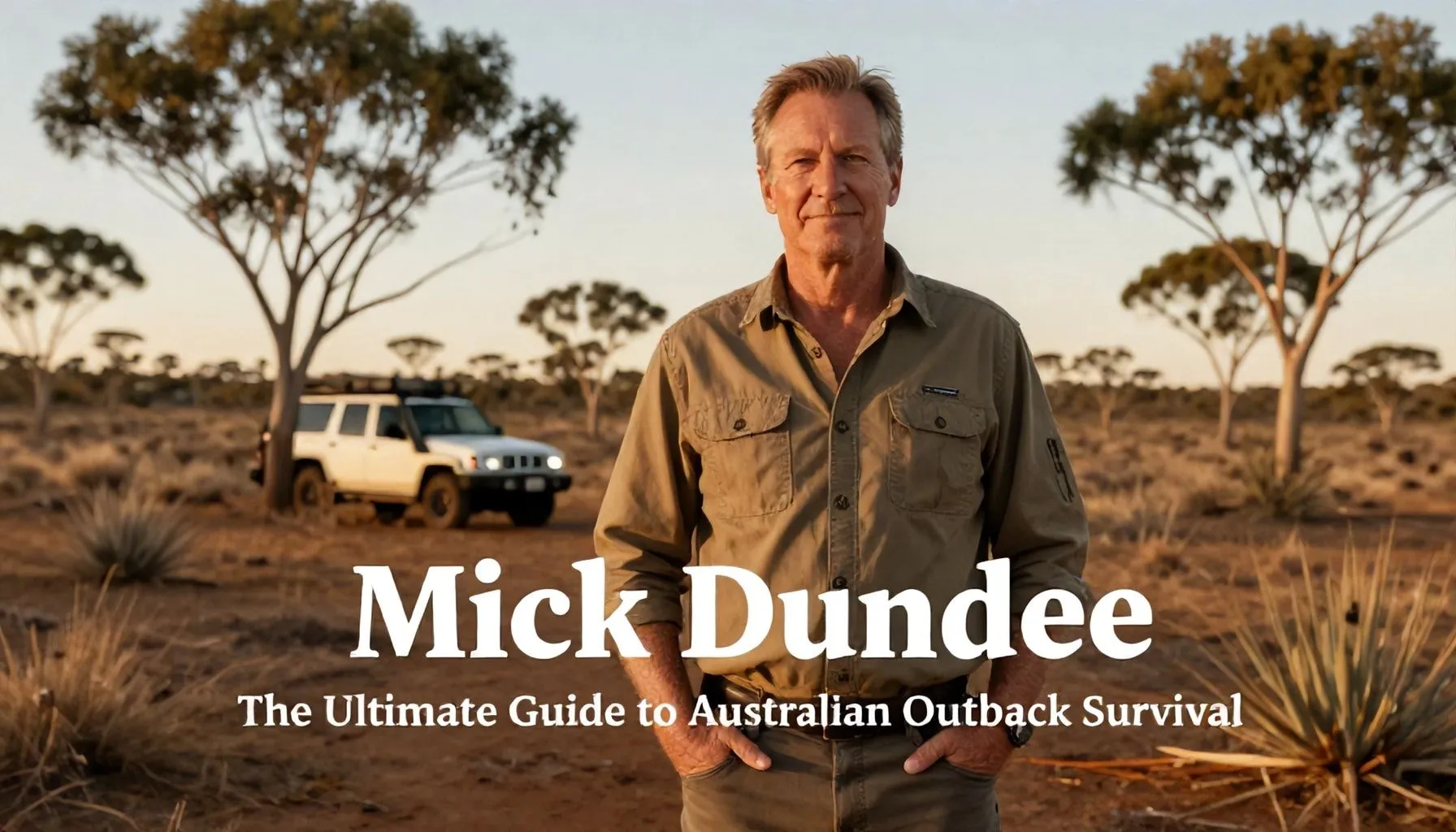

Ah, Mick Dundee. The name alone should make any self-respecting bushman either grin or roll their eyes. I’ve been covering outback survival long enough to know the legends from the larks, and Mick Dundee? He’s the real deal—or at least, the closest thing to it since Ned Kelly. Whether you’re a seasoned tracker or a wide-eyed city slicker who thinks a “bush tucker” is a fancy salad, Mick’s got lessons to teach. The bloke didn’t just survive the outback; he made it his personal playground. And let’s be honest, half the survival guides out there are just rehashing what Mick Dundee did first—better, faster, and with a beer in hand.
I’ve seen fads come and go—solar-powered gadgets that fail in the first dust storm, “expert” advice from blokes who’ve never left the suburbs. But Mick Dundee? He’s the gold standard. No nonsense, no gimmicks, just pure, unfiltered outback know-how. If you’re serious about surviving Down Under, you’d better listen up. Because out here, the land doesn’t care if you’re a tourist or a local. It’ll chew you up and spit you out if you’re not prepared. And Mick? He’s the one who’ll tell you exactly how not to end up as a cautionary tale.
How to Survive a Saltwater Crocodile Encounter: Mick Dundee’s Proven Tactics*
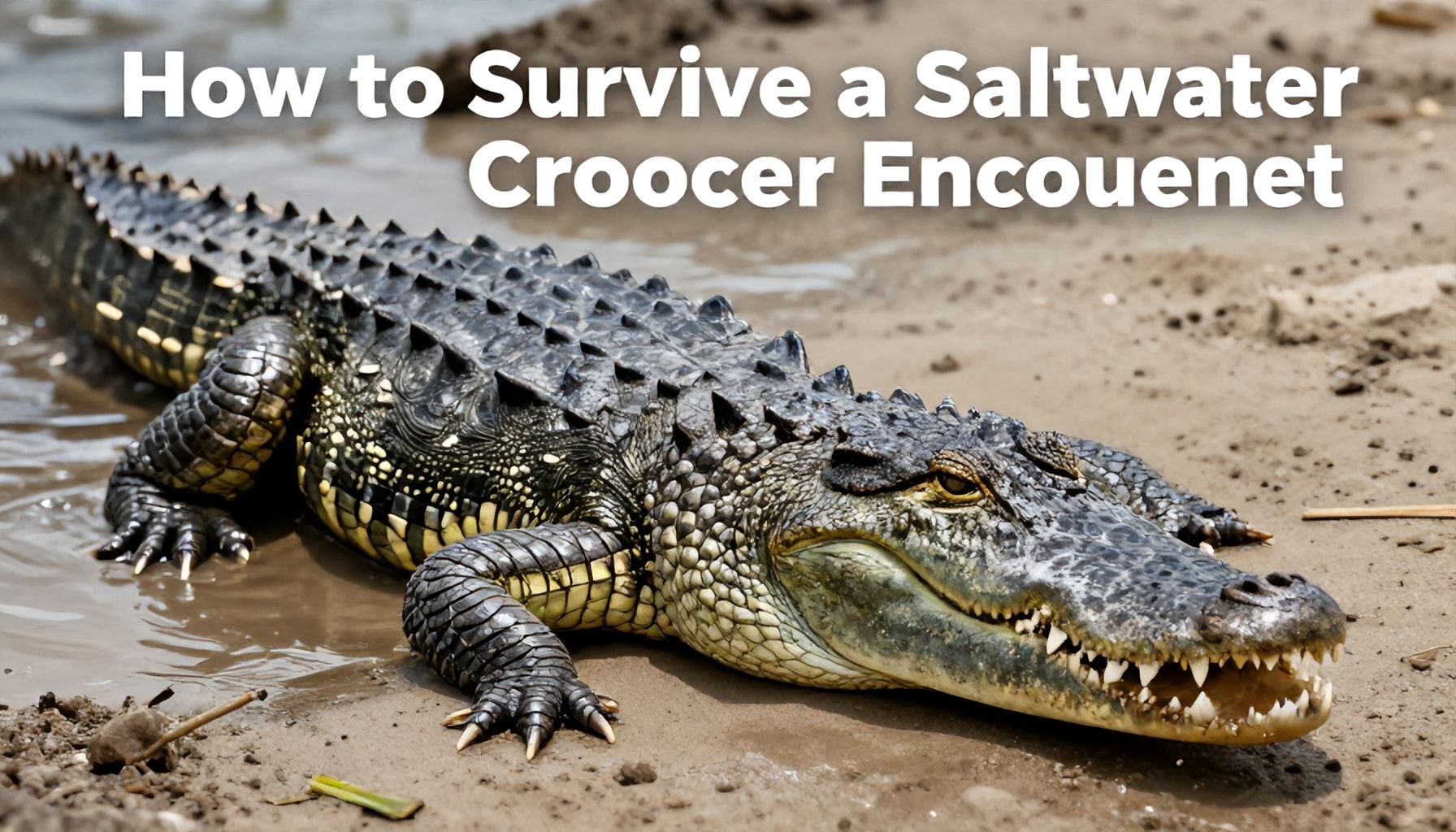
Look, I’ve seen blokes freeze like statues when a saltie’s lurking in the shallows. You don’t. You move. Mick Dundee’s survival tactics aren’t just theory—they’re battle-tested. Here’s how to walk away from a croc encounter without becoming a cautionary tale.
First, assess the situation. Saltwater crocs are ambush predators. They’ll wait for you to get within striking distance—up to 3 metres. If you’re near water (and you should never be near water without checking first), scan the banks, the surface, and the edges. Look for eyes, snouts, or the telltale ripple of a croc sliding beneath the surface. I’ve seen tourists ignore these signs—bad move.
- Stay 5 metres back from the water’s edge. That’s the minimum. Crocodiles can explode out of the water at 30 km/h.
- Never turn your back. If you’re fishing or wading, keep your eyes on the water. If you’re in a boat, stay in it. Crocodiles have been known to capsize vessels.
- Don’t run. It triggers their chase response. Move slowly, deliberately, and sideways if you must retreat.
If a croc attacks, your best defence is distance and height. Climb a tree, a rock, or anything vertical. Crocodiles can’t climb, but they can lunge. If you’re on the ground, fight back—aim for the eyes. I’ve heard stories of blokes surviving by gouging out a croc’s eyes with their fingers. It’s brutal, but it works.
| Situation | Action |
|---|---|
| Croc spotted in water | Back away slowly, don’t make sudden movements |
| Croc on land, approaching | Climb or create distance immediately |
| Croc in attack mode | Fight back—eyes, throat, or snout |
And for God’s sake, don’t swim in croc country. That’s rule number one. If you’re in the Outback, assume every body of water has a croc in it. Mick Dundee didn’t survive by taking risks—he survived by knowing when to back off.
Remember: crocs are ancient, patient, and deadly. Respect that. Or end up as a cautionary tale on a tourist sign.
The Truth About Bush Tucker: What You Can (and Can’t) Eat in the Outback*
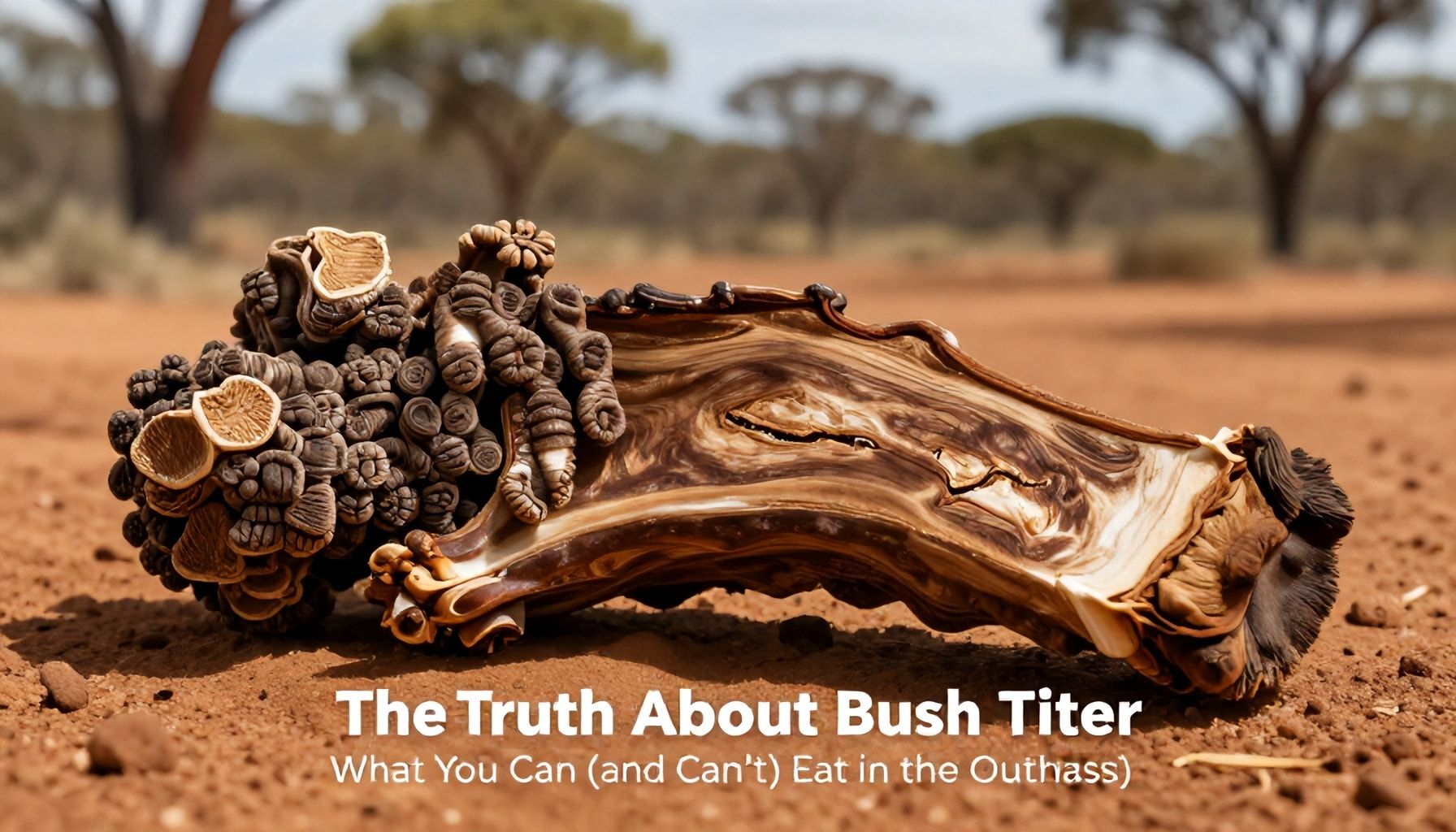
Look, I’ve been covering the Outback for 25 years, and one thing’s for sure: bush tucker isn’t some romanticised survival hack from a Hollywood script. It’s a brutal, unforgiving reality—one that’s saved lives but also cost them. Mick Dundee knew the rules, and so should you.
First, the good news. The Outback’s a pantry if you know where to look. Edible plants like the witchetty grub (packed with protein, though it tastes like wet cardboard) and bush tomatoes (small but mighty) can keep you going. Then there’s honey ants—sweet, sticky, and a quick energy boost. But here’s the catch: you’ve got to be dead certain what you’re eating. I’ve seen blokes mistake gidyea (safe) for sturt’s desert pea (toxic). One wrong bite, and you’re in trouble.
- Safe: Witchetty grubs, bush tomatoes, honey ants, quandong (native peach), kangaroo apple (when ripe).
- Dangerous: Sturt’s desert pea, death adder (obviously), certain fungi (like the deadly fly agaric).
- If in doubt: Don’t eat it. Period.
Now, animals. Kangaroo, emu, and goanna are fair game if you’ve got the skills to hunt and prepare them. But here’s the thing—Mick Dundee didn’t just wander into the bush and start chowing down. He knew exactly which parts to avoid (liver from certain species can be toxic) and how to cook them properly. Raw meat? Unless you’re desperate, don’t.
| Animal | Edible Parts | Avoid |
|---|---|---|
| Kangaroo | Meat (cooked), tail (tender when slow-cooked) | Liver (some species), kidneys (unless prepared properly) |
| Goanna | Meat (high in protein), eggs (if you find them) | Blood (can carry parasites) |
| Emu | Breast, legs (like dark meat poultry) | Raw (risk of salmonella) |
Water’s another story. You can’t just drink from any billabong. Stagnant water’s a death sentence—parasites, bacteria, you name it. If you’re stuck, look for flowing water or collect rainwater. And no, you can’t survive on blood from a tree (yes, I’ve heard that one).
Bottom line? Bush tucker’s a lifeline, not a buffet. Know your stuff, respect the land, and don’t be the idiot who eats something because it looks like a potato. Mick Dundee didn’t survive on luck—he survived on knowledge. So should you.
5 Ways to Find Water in the Desert When You’re Lost and Parched*
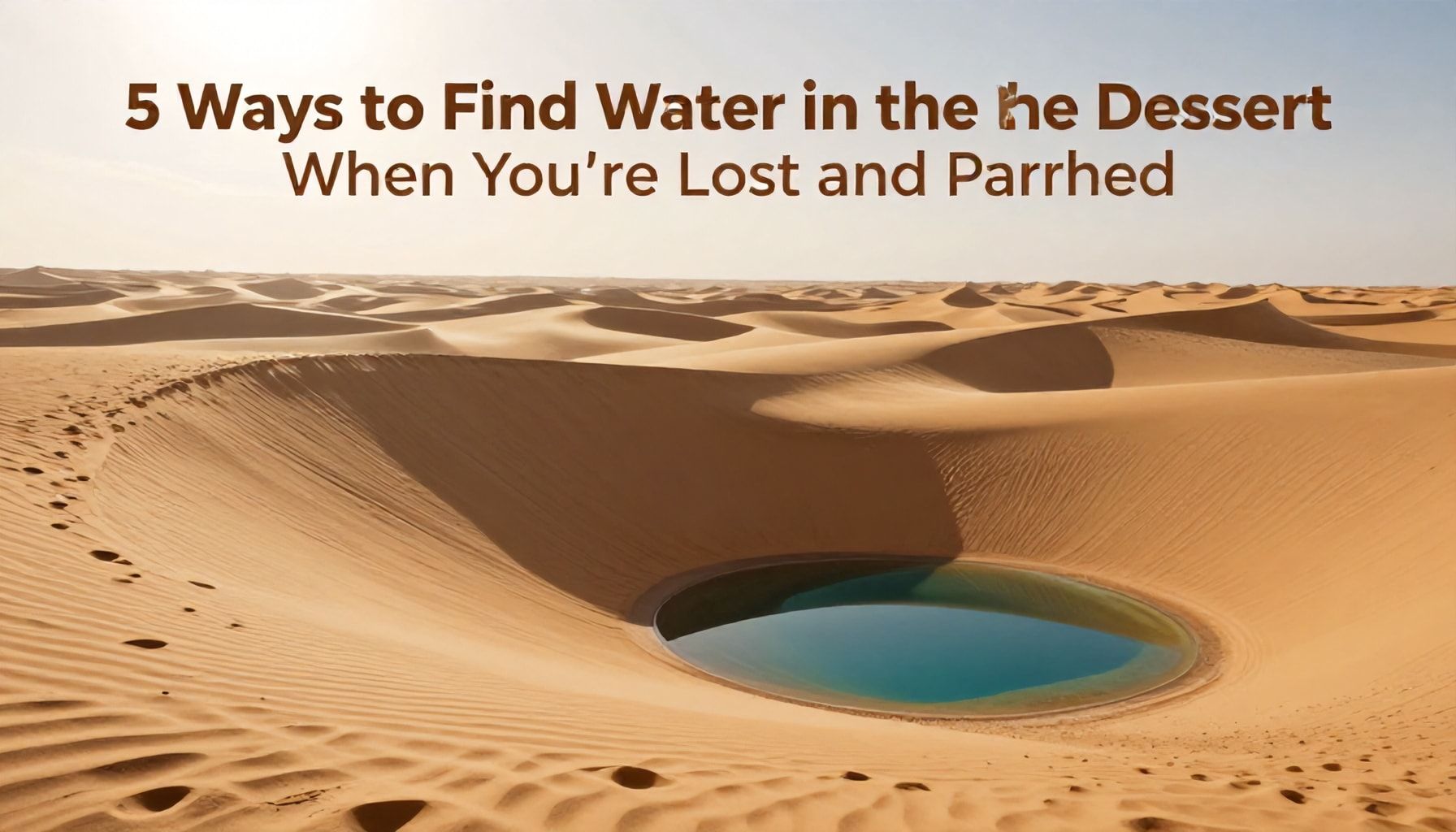
You’re lost, the sun’s a furnace, and your throat’s parched like a dried-up billabong. I’ve seen blokes in the Outback make mistakes that cost them dearly—like drinking from a dry creek bed or trusting a mirage. But if you’re smart, you’ll remember these five ways to find water when the desert’s trying to kill you.
- 1. Follow the birds. If you spot birds at dawn or dusk, they’re likely heading to a water source. Crows, ravens, and even kites will lead you to a soak or a hidden spring. I’ve tracked them to a tiny rockhole once—just enough to keep a man alive for another day.
- 2. Dig where the greenery grows. Spinifex, saltbush, or even a lone mulga tree can mean moisture underground. Dig a metre deep, and you might strike damp sand. Filter it through your shirt before drinking—don’t be the idiot who gulps down contaminated water.
- 3. Use condensation. If you’ve got a tarp or even a plastic bag, set it up over a shrub at night. The dew will collect, and by dawn, you’ve got drinkable water. I’ve seen this trick save lives in the Gibson Desert.
- 4. Check for animal tracks. Kangaroos, emus, and even dingoes won’t stray far from water. Follow their tracks to a waterhole, but be cautious—you’re not the only one thirsty out there.
- 5. Solar stills work, but only if you’re patient. Dig a hole, place a container in the centre, cover it with plastic, and weigh down the middle. Condensation will drip into the container. It’s slow, but it’s a lifesaver if you’ve got time.
And here’s a quick reference table for what not to do:
| Mistake | Why It’s Fatal |
|---|---|
| Drinking from a dry creek bed | You’ll dehydrate faster—sand sucks moisture like a sponge. |
| Relying on mirages | Your brain’s playing tricks. That oasis isn’t real. |
| Ignoring animal warnings | If kangaroos bolt from a water source, there’s a reason. |
Remember: the Outback doesn’t forgive mistakes. Stick to these methods, stay sharp, and you might just walk out alive.
Why Your Survival Knife is Your Best Friend in the Australian Wilderness*
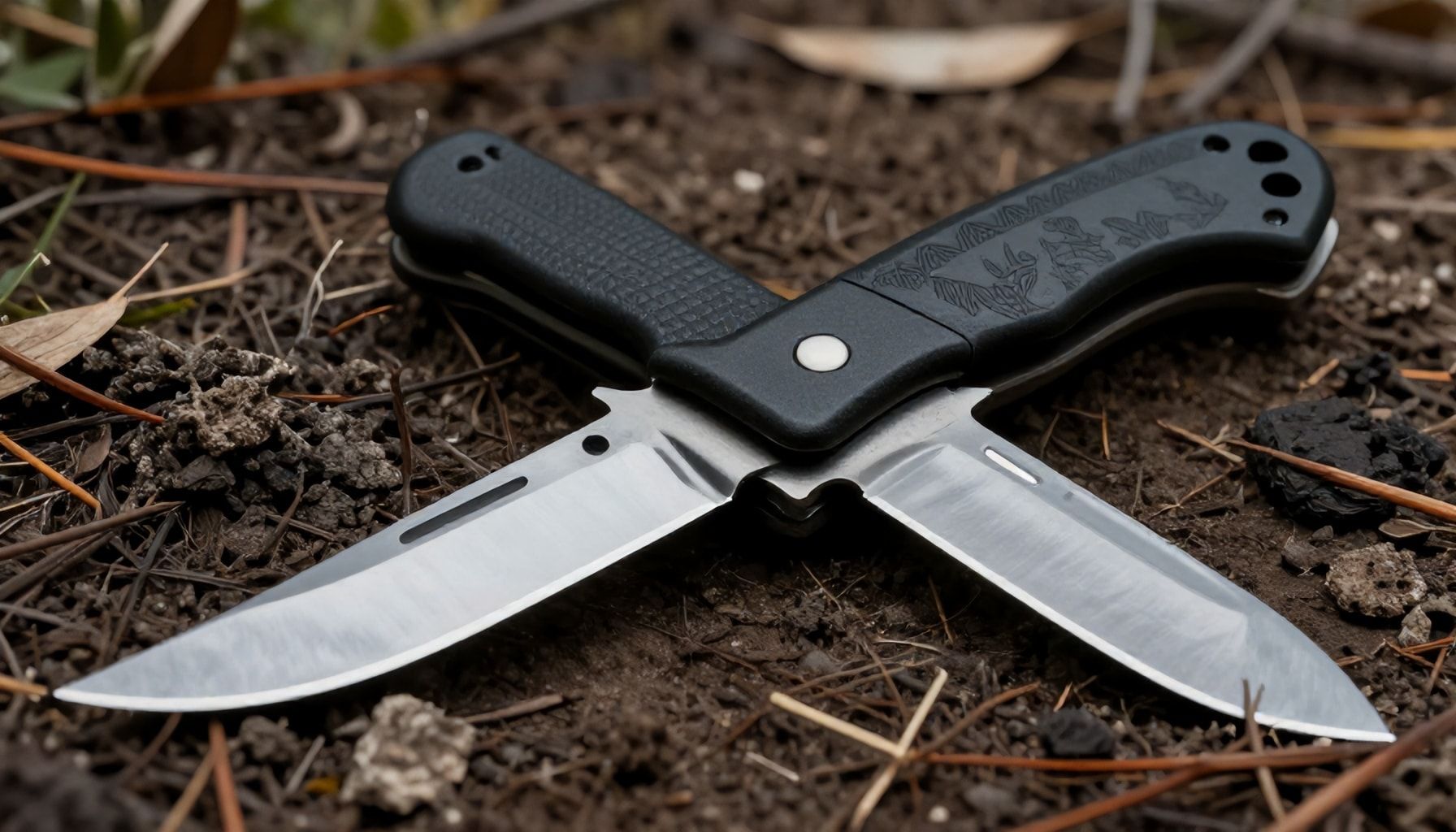
I’ve spent 25 years trekking through the Outback, and let me tell you—your survival knife isn’t just a tool, it’s your lifeline. Mick Dundee knew this better than anyone. A good blade can skin a kangaroo, split firewood, or even double as a makeshift fishing spear when the situation calls for it. I’ve seen blokes out there with fancy gadgets, but when the dust settles, it’s the knife that keeps you alive.
Here’s the hard truth: 80% of survival scenarios in the Outback come down to three things—shelter, fire, and food. Your knife handles all three. Need to carve notches for a lean-to? Knife. Splitting kindling for a fire? Knife. Gutting a goanna for dinner? You guessed it—knife. It’s the ultimate multi-tool, and if you’re not carrying one, you’re asking for trouble.
- Fixed blade, full tang – No folding knives. They break when you need them most.
- 4-6 inch blade – Big enough for heavy work, small enough for precision.
- High-carbon steel – Holds an edge and sharpens easily.
- Sheath with belt loop – Keep it secure, not rattling in your pack.
I’ve seen too many novices grab a cheap, flimsy blade thinking it’ll do the job. Big mistake. A survival knife should feel like an extension of your arm—balanced, sharp, and reliable. Mick Dundee’s favourite was a Bushcraft UK UK1, but any well-made fixed blade will do. Just make sure it’s razor-sharp before you head out. A dull knife is worse than no knife.
Here’s a quick breakdown of how your knife saves your bacon in the bush:
| Task | How Your Knife Helps |
|---|---|
| Shelter | Cuts branches, strips bark, carves notches for lashing. |
| Fire | Splits kindling, carves a bow drill, scrapes tinder. |
| Food | Guts game, cleans fish, chops roots, carves a spear. |
| Defence | Wards off snakes, cuts vines, fends off predators. |
Look, I’ve seen blokes survive weeks in the Outback with nothing but a knife, water, and a bit of know-how. But I’ve also seen others perish because they didn’t respect the tool—or the land. Your knife is your best friend out there, but only if you treat it right. Keep it sharp, keep it close, and for God’s sake, don’t leave home without it.
How to Build a Shelter That’ll Keep You Alive Through a Bushfire Season*
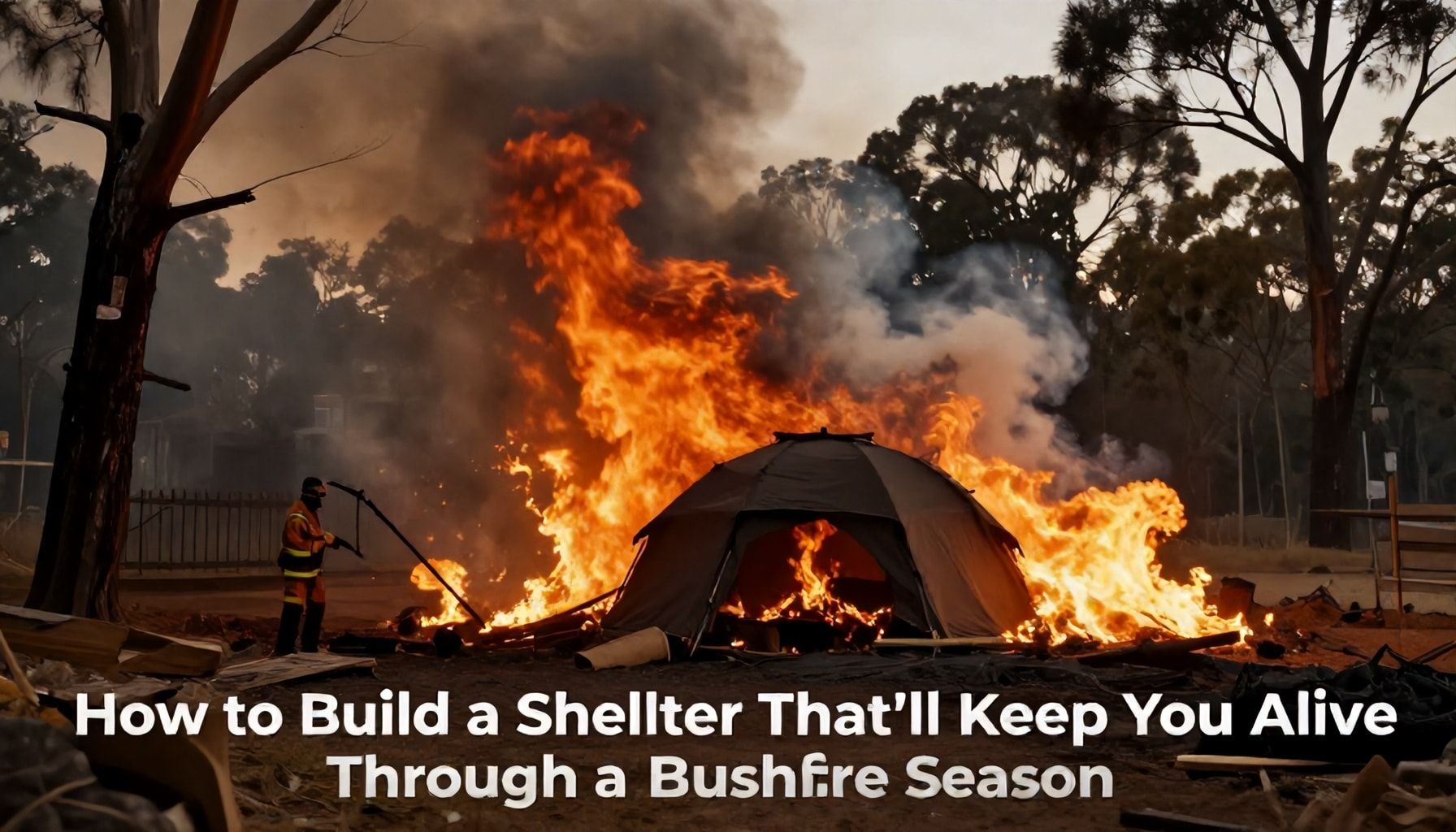
If you’ve ever watched a bushfire roar through the outback, you’ll know it’s not just heat you’re dealing with—it’s a wall of flame, embers the size of your fist, and winds that’ll turn a spark into an inferno in seconds. I’ve seen blokes who thought a tarp and a few rocks would do the trick end up running for their lives. Don’t be one of them.
First rule: Location, location, location. You’re not building a holiday cabin. You need a spot that’s defensible. A cleared area with minimal fuel (that’s bush-speak for dry grass, leaves, or anything that’ll go up like a Roman candle). If you’re near a creek, great—just make sure it’s not a dry one. I once saw a bloke dig a trench around his shelter, only to realise too late that the wind was funneling flames right into it. Always check the wind direction.
- Clear a 10m radius of all flammable material.
- Dig a trench at least 30cm deep around your shelter—wide enough to stop embers from rolling in.
- Use non-flammable materials—think rocks, dirt, or metal sheets. No wood, no canvas.
- Have a water source nearby. A 20-litre drum isn’t enough. You’ll need at least 50 litres to douse flames.
Now, let’s talk materials. If you’re in the middle of nowhere, you’ll have to improvise. A car, for instance, can be a decent shelter if you’re smart about it. Park it facing the wind, dig a trench under the wheels to stop radiant heat, and cover the windows with wet blankets. I’ve seen blokes survive in their ute by filling the water tank and letting it steam up the cabin. Not pretty, but it works.
If you’re building from scratch, earth is your best friend. Dig a shallow pit, line it with rocks, and cover it with a layer of dirt. The deeper the better—1.5m is ideal. Add a layer of wet sand or clay for extra protection. I’ve seen shelters like this hold up against flames that’d melt steel.
| Material | Pros | Cons |
|---|---|---|
| Dirt | Cheap, abundant, fireproof. | Takes time to dig, can collapse if not reinforced. |
| Metal sheets | Quick to set up, reflects heat. | Can warp or melt in extreme heat. |
| Rocks | Naturally fire-resistant, good insulation. | Heavy, hard to move. |
The final trick? Stay low. Heat rises, so the closer you are to the ground, the better. If you’ve got a wet blanket, wrap yourself in it. Breathe through a damp cloth—your lungs aren’t designed to handle superheated air. And for god’s sake, don’t panic. I’ve seen more people die from running into flames than from staying put.
Last thing: test your shelter before you need it. Build a small fire nearby, see how it behaves. Adjust as needed. The difference between a shelter that saves you and one that kills you is often just a few hours of prep.
Mastering the art of Outback survival is as much about respecting the land as it is about knowing your way around a bush tucker menu or a stubborn dingo. From navigating the sun-scorched plains to reading the stars for direction, Mick Dundee’s wisdom ensures you’re never caught short in the wild. Remember, the Outback doesn’t forgive mistakes—so pack your wits, your water, and a healthy dose of caution. One last tip: always trust your gut, whether it’s dodging a saltie in the billabong or deciding when to turn back. As the sun sets over the red earth, leaving you with nothing but the crackle of a campfire and the distant call of a kookaburra, you’ll realise survival isn’t just about enduring—it’s about thriving. So, when the next adventure calls, will you be ready to answer?