

Introduction
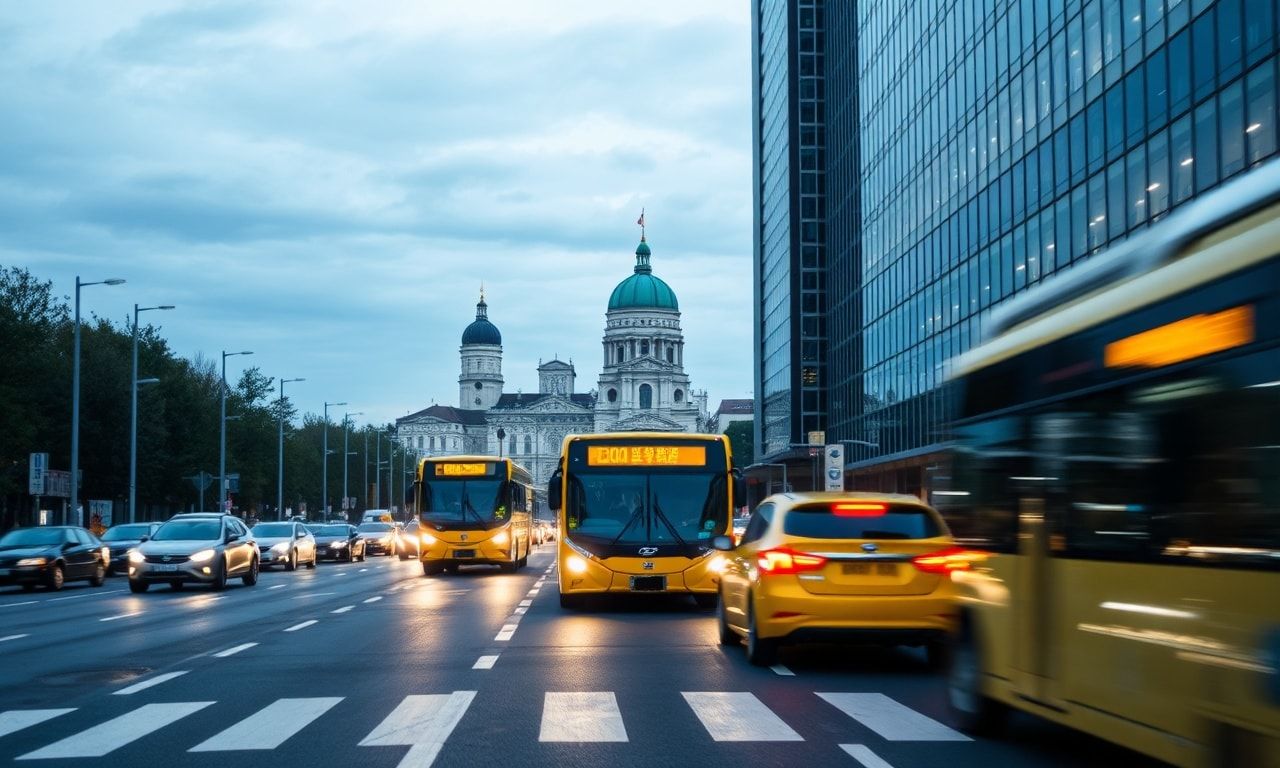
The world is witnessing a rapid urbanization trend, with cities grappling to manage the influx of people and vehicles. Traffic management has become a critical aspect of urban planning, and cities worldwide are looking for innovative solutions to ease congestion and improve mobility. Helsinki, the capital of Finland, has emerged as a beacon of hope with its cutting-edge traffic management strategies. This article delves into Helsinki’s approach and explores how other cities can learn from it.
The Helsinki Model
Helsinki has long been recognized for its efficient public transportation system, but its traffic management strategies extend beyond just public transit. The city has implemented a multi-modal approach that integrates various forms of transportation, including walking, cycling, and driving. This holistic strategy aims to reduce congestion, lower emissions, and improve the overall quality of life for its residents.
One of the key components of Helsinki’s traffic management system is its intelligent transport system (ITS). This advanced technology uses real-time data to monitor and manage traffic flow, optimize signal timings, and provide drivers with up-to-date information. The city’s commitment to innovation is evident in its use of cutting-edge technologies like AI and machine learning to predict and mitigate traffic congestion.
Public Transportation
Helsinki’s public transportation system is a model of efficiency and accessibility. The city’s buses, trams, and metro lines are well-coordinated, providing seamless connectivity across the urban landscape. The Helsinki Regional Transport Authority (HSL) oversees the operation of these services, ensuring that they are reliable, punctual, and accessible to all. The city’s investment in public transportation has not only reduced traffic congestion but also lowered carbon emissions, contributing to a cleaner and healthier environment.
Cycling Infrastructure
Helsinki has made significant strides in promoting cycling as a viable mode of transportation. The city has an extensive network of bike lanes and paths, making it safe and convenient for cyclists to navigate the urban landscape. The Helsinki City Bike system, which offers affordable and accessible bike rentals, has further encouraged residents to adopt cycling as a regular mode of transport. The city’s commitment to cycling infrastructure has not only reduced traffic congestion but also promoted a healthier and more active lifestyle among its residents.
Lessons for Other Cities
Helsinki’s innovative approach to traffic management offers valuable lessons for cities worldwide. By adopting a multi-modal strategy that integrates various forms of transportation, cities can reduce congestion, lower emissions, and improve the overall quality of life for their residents. The use of intelligent transport systems and advanced technologies like AI and machine learning can further enhance the efficiency and effectiveness of traffic management strategies.
For instance, cities can look into implementing real-time traffic monitoring and management systems, similar to Helsinki’s ITS. These systems can provide valuable data and insights that can be used to optimize traffic flow, reduce congestion, and improve the overall efficiency of the transportation network. Additionally, cities can invest in public transportation and cycling infrastructure to provide residents with viable alternatives to driving.
Moreover, cities can learn from Helsinki’s focus on sustainability and livability. By prioritizing green spaces, pedestrian-friendly streets, and community engagement, cities can create environments that are not only efficient but also enjoyable and inclusive. This holistic approach to urban planning can contribute to the long-term sustainability and resilience of cities, making them better places to live, work, and visit.
The Role of Community Engagement
Community engagement is a critical aspect of Helsinki’s traffic management strategy. The city actively involves residents, businesses, and other stakeholders in the planning and implementation of its transportation policies. This collaborative approach ensures that the city’s strategies are aligned with the needs and preferences of its residents, leading to higher levels of satisfaction and compliance.
Cities can learn from Helsinki’s example by involving the community in the planning and implementation of traffic management strategies. This can be achieved through public consultations, surveys, and other forms of engagement that provide residents with a platform to voice their opinions and concerns. By involving the community, cities can ensure that their strategies are inclusive, equitable, and effective.
Conclusion
Helsinki’s innovative approach to traffic management offers valuable insights and lessons for cities worldwide. By adopting a multi-modal strategy that integrates various forms of transportation, cities can reduce congestion, lower emissions, and improve the overall quality of life for their residents. The use of intelligent transport systems and advanced technologies like AI and machine learning can further enhance the efficiency and effectiveness of traffic management strategies. Additionally, cities can learn from Helsinki’s focus on sustainability, livability, and community engagement to create environments that are not only efficient but also enjoyable and inclusive.
For more information on Helsinki’s traffic management strategies, you can visit the helsingin uutiset liikenne website. This resource provides valuable insights and updates on the latest developments in Helsinki’s traffic management system, offering a wealth of knowledge for cities looking to implement similar strategies.
As online shopping continues to reshape consumer behavior, our latest feature, e-commerce trends and shopping tips, offers a comprehensive look at the latest developments in this dynamic industry.