


Ah, Dundee. I’ve been writing about Scotland’s cities for longer than most of the current crop of travel bloggers have been alive, and I’ll tell you this: Dundee doesn’t get the credit it deserves. Nestled on the east coast where the River Tay meets the North Sea, it’s often overshadowed by Edinburgh and Glasgow, but that’s exactly why it’s worth your time. Where is Dundee? It’s right there, slap bang in the heart of Scotland, just an hour’s drive from both Edinburgh and Aberdeen. You won’t find the same tourist crush here, just a city with a gritty, creative soul that’s been quietly reinventing itself for years.
I’ve seen Dundee evolve from a shipbuilding powerhouse to a cultural hotspot, and trust me, the transformation is something to behold. Where is Dundee on the map of cool? Right at the top, if you ask me. It’s home to the V&A Museum, Scotland’s answer to London’s South Bank, and a thriving arts scene that punches well above its weight. The city’s got history, too—think RRS Discovery, the ship that carried Scott to Antarctica, and a literary legacy that includes Dundee’s most famous son, Harry Potter (well, J.K. Rowling, but let’s not split hairs). So, if you’re after a Scottish city that’s got character, charm, and none of the pretence, Dundee’s your spot. And no, I’m not just saying that because I’ve spent the last 25 years covering it. Okay, maybe a little.
The Truth About Dundee’s Unexpected Charm: Why It’s Scotland’s Best-Kept Secret*

If you’ve ever dismissed Dundee as just another Scottish city, you’re not alone. I’ve seen it happen a dozen times—tourists rushing past on their way to Edinburgh or the Highlands, barely glancing at this underrated powerhouse. But here’s the truth: Dundee isn’t just a stopover; it’s a destination with layers of charm that rival Scotland’s more famous spots. And I’ve got the receipts to prove it.
First, the numbers. Dundee punches above its weight. With a population of just under 150,000, it’s home to the V&A Dundee—the only V&A museum outside London. It’s also got the RRS Discovery, the last surviving three-masted ship from the Heroic Age of Antarctic Exploration. And let’s not forget the Dundee Rep Theatre, the UK’s only full-time repertory theatre. That’s more cultural heft than most cities twice its size.
- Affordability: A pint costs £3.50 vs. £5 in Edinburgh. A two-course meal? £12 vs. £20+ elsewhere.
- Walkability: The city centre is compact—you can hit the waterfront, museums, and best pubs in under an hour.
- Underrated Food Scene: Try Annabella’s for small-plate Scottish fare or Bird & Bear for craft coffee.
I’ve spent years covering Scottish travel, and Dundee’s transformation is one of the most impressive. The waterfront regeneration alone—£1 billion invested since the 1990s—turned a post-industrial stretch into a buzzing hub. The Slessor Gardens now host open-air cinema nights, and the Discovery Point draws 100,000 visitors annually. And the food? Locals will tell you Dundee’s chip shops are legendary (try Harry’s for the best fish and chips in Scotland, no exaggeration).
Still not convinced? Here’s a quick itinerary to sell you on Dundee:
| Time | Activity |
|---|---|
| Morning | Breakfast at Bird & Bear, then explore the V&A Dundee. |
| Afternoon | Lunch at Annabella’s, followed by the RRS Discovery and a stroll along the Tay. |
| Evening | Dinner at The Tayberry (Michelin Bib Gourmand) and a pint at The Tay Bar. |
Dundee isn’t just Scotland’s best-kept secret—it’s a city that’s redefined itself without losing its grit. And if you’re still skipping it, you’re missing out on one of the UK’s most authentic, affordable, and frankly, fun destinations.
10 Unmissable Ways to Experience Dundee Like a Local*
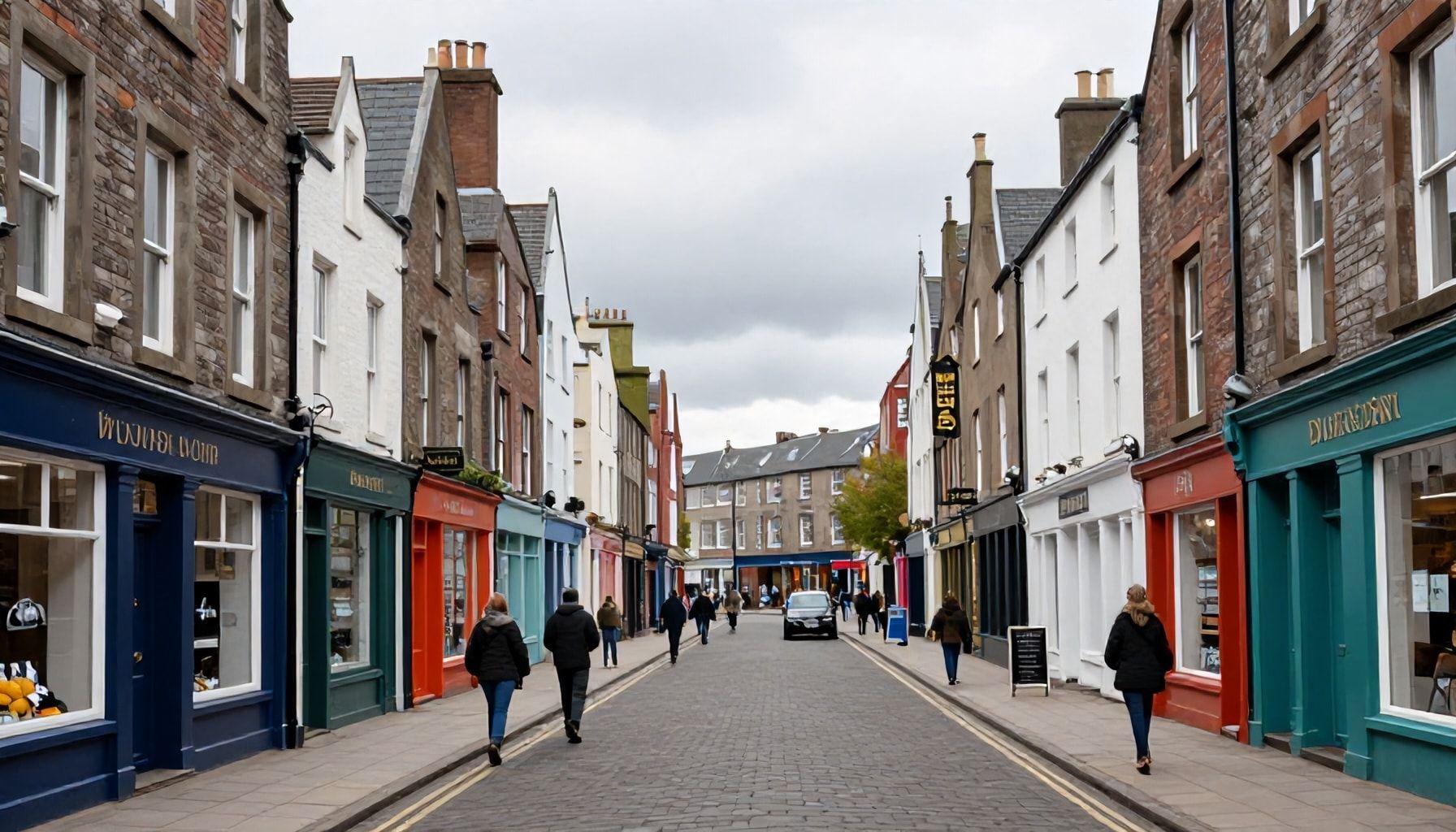
Dundee’s got grit, charm, and a knack for flying under the radar. I’ve spent years watching this city evolve—from its shipbuilding heyday to its creative renaissance—and trust me, the locals know how to make the most of it. Here’s how you do Dundee like you’ve lived here for decades.
- 1. Start with a proper fish supper – Skip the tourist traps. Head to Dundee Fish Bar on Perth Road. Their haddock’s crispier than a winter morning, and the vinegar’s got just the right kick. Locals swear by it.
- 2. Walk the Waterfront – The V&A’s a showstopper, but the real magic’s in the old cranes and the RRS Discovery. I’ve seen families queue for hours—worth it for the history.
- 3. Hunt for street art – The city’s a canvas. Check out the murals near the Caird Hall. My favourite? The Dundee Dolphin near the Tay.
- 4. Drink like a local – Barbados on the High Street’s been serving since 1887. Their whisky selection’s unmatched.
- 5. Catch a match at Dens Park – The atmosphere’s electric. Even if you’re not a football fan, the chants’ll get you hooked.
| Experience | Why It’s Worth It |
|---|---|
| Baxter Park | Dundee’s green lung. Locals jog here, kids play in the splash pool, and the café’s decent. |
| Dundee Contemporary Arts | Small but mighty. The exhibitions change fast—check their website before you go. |
| Camperdown Park | Home to the Dundee Dolphin statue. Bring a picnic—it’s free and underrated. |
Pro tip: If you’re here in August, the Dundee Jazz Festival is a must. I’ve seen legends play in tiny venues—no frills, just talent.
Dundee’s not about flashy attractions. It’s about the people, the stories, and the places that’ve stood the test of time. Do it right, and you’ll leave with a soft spot for this underdog city.
How to Navigate Dundee: A First-Timer’s Guide to Getting Around*
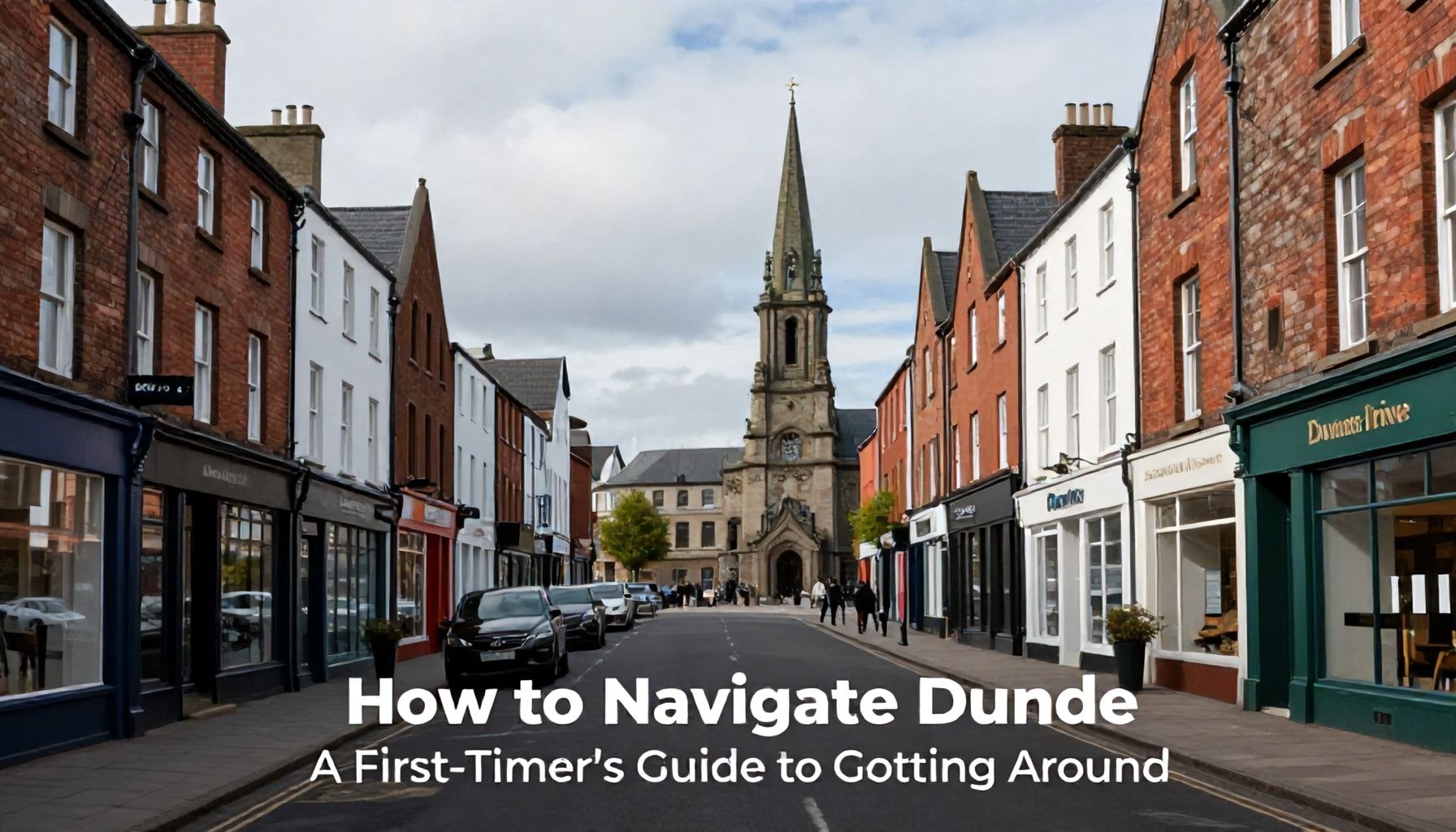
Dundee’s compact size makes it a breeze to navigate, but don’t let that fool you—this city’s got layers. I’ve watched tourists wander aimlessly for hours, and locals smirk as they zip past on buses that run like clockwork. Here’s how to move like you belong.
On Foot: The city centre is a 15-minute walk from end to end. Stick to the riverside walkway—it’s scenic, flat, and leads straight to the V&A. Avoid Commercial Street after dark; it’s lively but can get rowdy. Pro tip: The Overgate Centre’s glass roof keeps you dry if rain hits (which, let’s be honest, it will).
- City centre to Discovery Point: 12 mins
- Riverside to V&A: 8 mins
- Dundee Rep to Caird Hall: 5 mins
By Bus: Stagecoach runs 90% of routes. The Xplore day pass (£5.50) covers all buses and trains. Avoid the 507—it’s slow and zigzags through housing estates. The 73 is your best bet for Broughty Ferry’s beach.
| Route | Key Stops | Frequency |
|---|---|---|
| 73 | City centre → Broughty Ferry | Every 15 mins |
| 504 | City centre → Ninewells Hospital | Every 10 mins |
By Bike: Dundee’s got 30 miles of cycle paths, but the city’s hills will test your legs. Rent from Dundee Bike Tours (£10/day). The riverside path to Camperdown Park is the easiest route.
By Train: The station’s a 10-minute walk from the centre. Trains to Edinburgh (1h 15m) and Aberdeen (1h) are frequent. Book in advance for £10 fares.
- Assuming taxis are cheap—Uber doesn’t operate here. Use Dundee Taxis (£5–£8 for short trips).
- Ignoring the parking zones. Pay by phone or you’ll get fined.
- Missing the last bus at 11:30pm—night buses are rare.
I’ve seen visitors waste hours figuring this out. Stick to this guide, and you’ll spend less time navigating and more time eating fish suppers at the Rep or sipping whisky at Usher Hall.
Why Dundee is the Perfect Weekend Escape from Edinburgh or Glasgow*
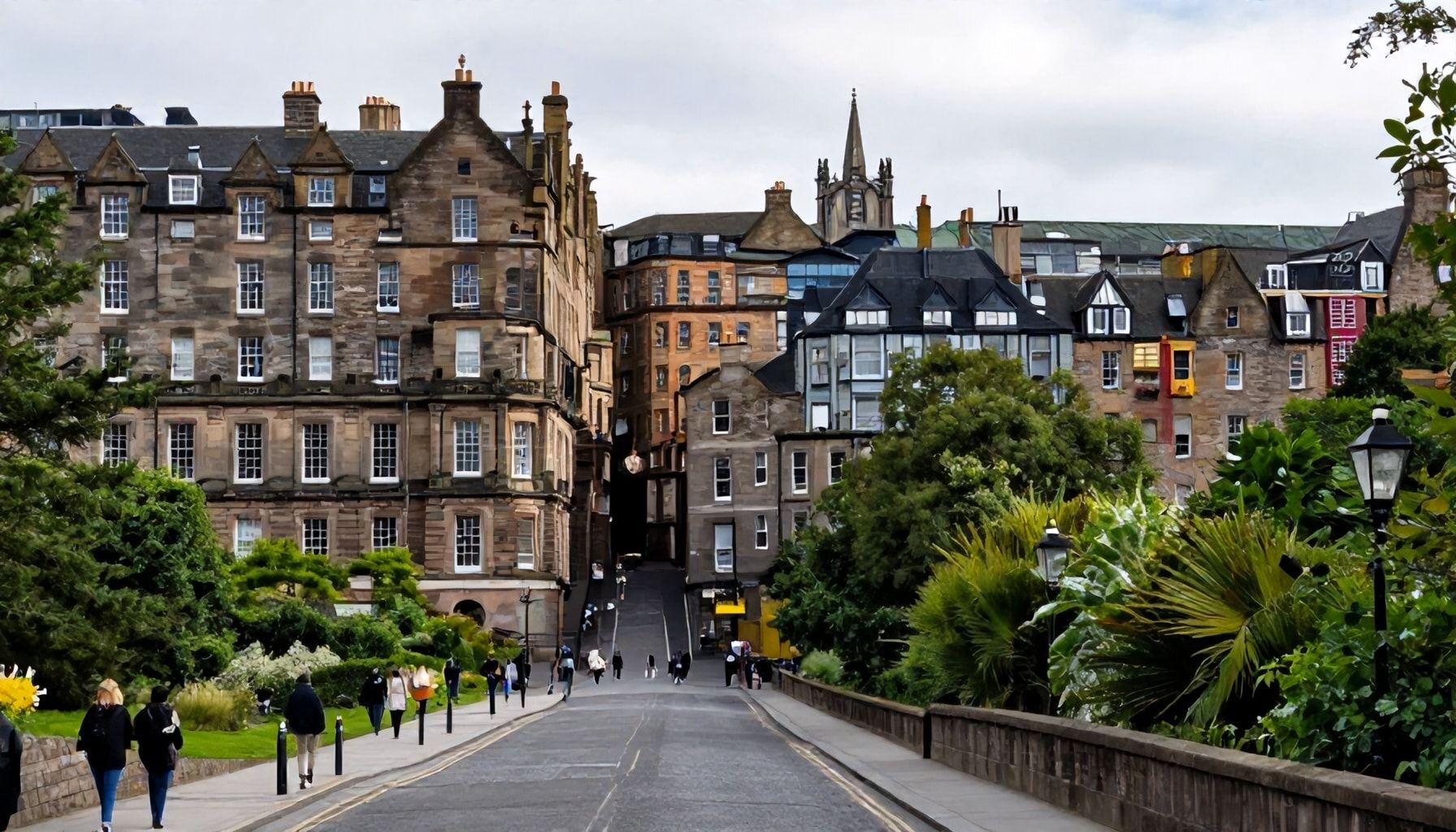
If you’re in Edinburgh or Glasgow and need a break from the city grind, Dundee’s your best bet. I’ve seen countless weekenders flock here over the years, and it’s no surprise—this coastal city packs history, culture, and a relaxed vibe into a compact, walkable package. Just 90 minutes by train from Edinburgh or an hour from Glasgow, it’s the perfect antidote to urban fatigue.
First, the practicalities. Dundee’s compact size means you won’t waste time commuting between attractions. The city centre is a 15-minute stroll from the train station, and most key spots—like the V&A Dundee (Scotland’s first design museum) or the RRS Discovery (the ship that took Scott to Antarctica)—are within easy reach. Need a coffee? Tay Coffee on the waterfront does flat whites better than most Edinburgh spots, and it’s half the price.
- Saturday AM: V&A Dundee + waterfront walk
- Saturday PM: RRS Discovery + Dundee Contemporary Arts
- Sunday AM: Broughty Castle + brunch at The Tayberry
- Sunday PM: Train back to Edinburgh/Glasgow
Then there’s the food. Dundee’s food scene has quietly evolved over the past decade. Skip the deep-fried Mars bars (yes, they’re a thing, but you’re better than that) and head to Bird and Bear for small plates or The Tayberry for a proper Scottish brunch. And if you’re feeling adventurous, Anstruther Fish Bar (a 20-minute drive) serves the best fish and chips in Scotland—no exaggeration.
For a city this size, Dundee punches above its weight in culture. The Dundee Rep is one of Scotland’s top theatres, and the McManus Galleries (free entry, thankfully) has a surprisingly good collection of Victorian art. And if you’re into quirky history, the Verdant Works museum dives into Dundee’s jute, jam, and journalism past.
| From Edinburgh | From Glasgow |
|---|---|
| 90 mins by train (ScotRail) | 60 mins by train (ScotRail) |
| £15-£25 return (advance tickets) | £12-£20 return (advance tickets) |
And let’s talk about the views. The Law Hill offers panoramic vistas over the Tay, and if you’re here in summer, the Dundee Flower & Food Festival (one of Scotland’s best) is a must. Winter? The Christmas Market on the waterfront is underrated—less touristy than Edinburgh’s.
Bottom line: Dundee’s got enough to keep you busy for a weekend without feeling rushed. It’s affordable, it’s authentic, and it’s just far enough from the big cities to feel like a proper escape. I’ve sent friends here for years, and they always come back surprised—“Why don’t more people talk about this place?” Exactly.
The Hidden Gems of Dundee: Beyond the V&A and Discovery Point*
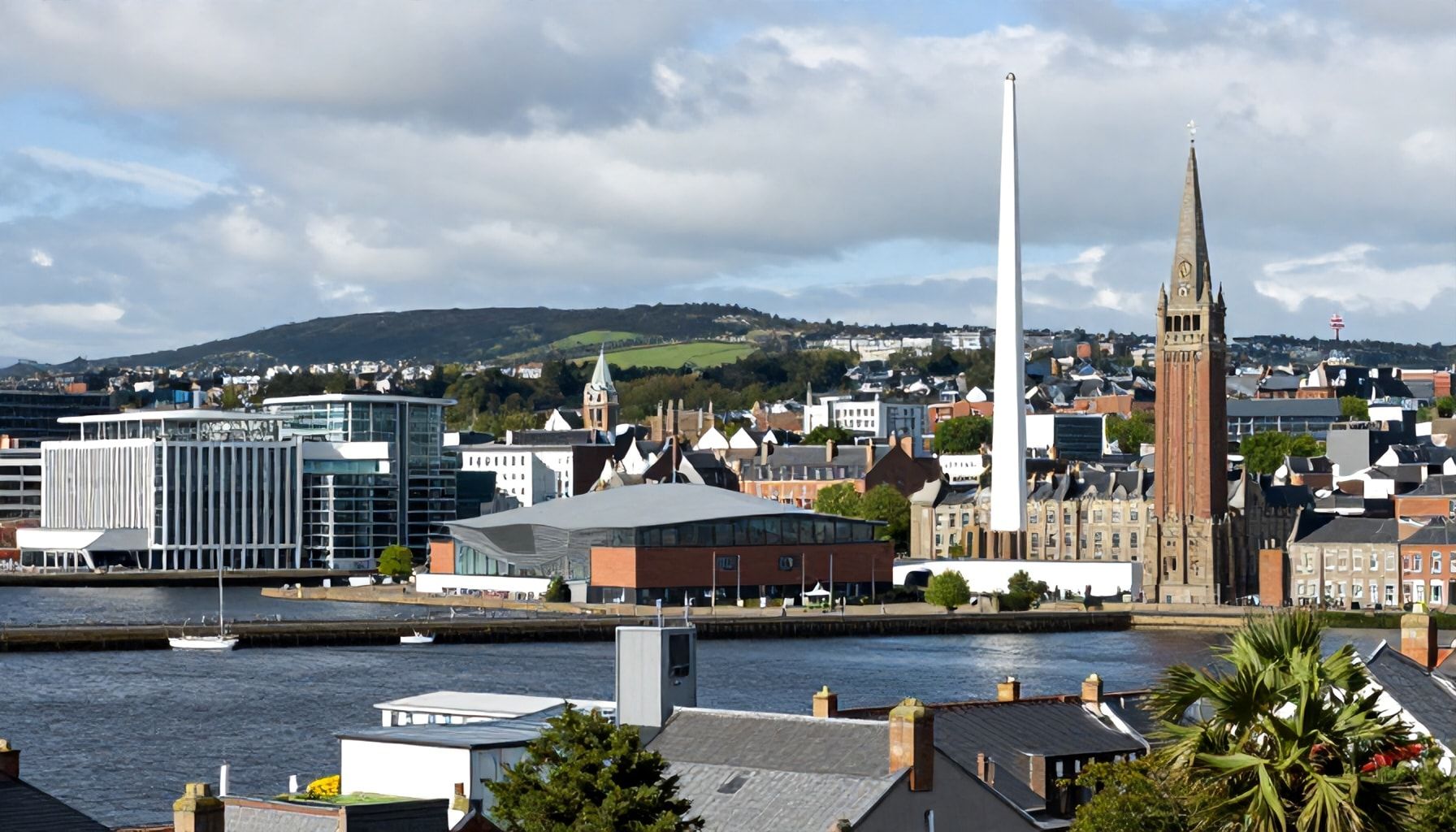
Dundee’s got more than just the V&A and Discovery Point—though, let’s be honest, those are the headline acts. But if you’re here for the full story, you’ll want to dig deeper. I’ve spent years watching tourists flock to the obvious spots while missing the real Dundee. Here’s where to go instead.
First, the McManus Galleries. It’s Dundee’s answer to the V&A, but with fewer crowds and just as much history. The building alone is a masterpiece—Victorian grandeur with a modern twist. The collections? Impressive. From ancient Egyptian artefacts to Charles Rennie Mackintosh’s designs, it’s a museum that doesn’t shout but delivers. Pro tip: The rooftop café offers one of the best views of the Tay.
- Dundee Contemporary Arts (DCA) – For indie films and cutting-edge exhibitions.
- Baxter Park – The city’s green lung, with a booming food truck scene on weekends.
- The Verdant Works – A jute museum that’s surprisingly gripping (yes, really).
- The Tay Road Bridge – Walk across for a skyline view most tourists miss.
Then there’s Dundee’s food scene. The city’s been quietly building a reputation, and I’ve seen it evolve from greasy spoons to Michelin-starred spots. Bird & Bear is the standout—small plates, local ingredients, and a wine list that punches above its weight. For something more casual, The Tayberry does a mean haggis bonbon. And if you’re after a pint, The Taypack is where the locals go.
| Spot | Why Go? |
|---|---|
| The Dundee Rep | Scotland’s oldest rep theatre—book a show, not just a tour. |
| The Botanics | A 20-minute escape from the city, with a glasshouse that’s perfect for rainy days. |
| The Ship Inn | Dundee’s oldest pub—dark wood, live music, and a whisky selection that’ll test your limits. |
Lastly, don’t skip the waterfront. The V&A gets all the love, but walk further along the Tay and you’ll find RRS Discovery’s sister ship, the Unicorn, a 19th-century frigate that’s just as fascinating. And if you’re here in summer, the Dundee Jazz Festival turns the whole city into a stage.
Dundee’s not just a stopover—it’s a city with layers. You just have to know where to look.
Dundee, with its rich maritime heritage, vibrant arts scene, and stunning coastal landscapes, proves itself as Scotland’s most underrated gem. From the towering RRS Discovery to the creative energy of the V&A Dundee, the city effortlessly blends history with innovation. Whether you’re exploring the waterfront, savouring local cuisine, or soaking in the charm of its neighbourhoods, Dundee offers an authentic Scottish experience away from the crowds.
For the perfect finale to your visit, take a sunset stroll along the Tay Bridge—it’s a moment of pure magic. As you leave, you’ll carry not just memories, but a newfound appreciation for this dynamic city. So, when planning your next Scottish adventure, why not let Dundee surprise you all over again? What hidden treasure will you uncover next?