
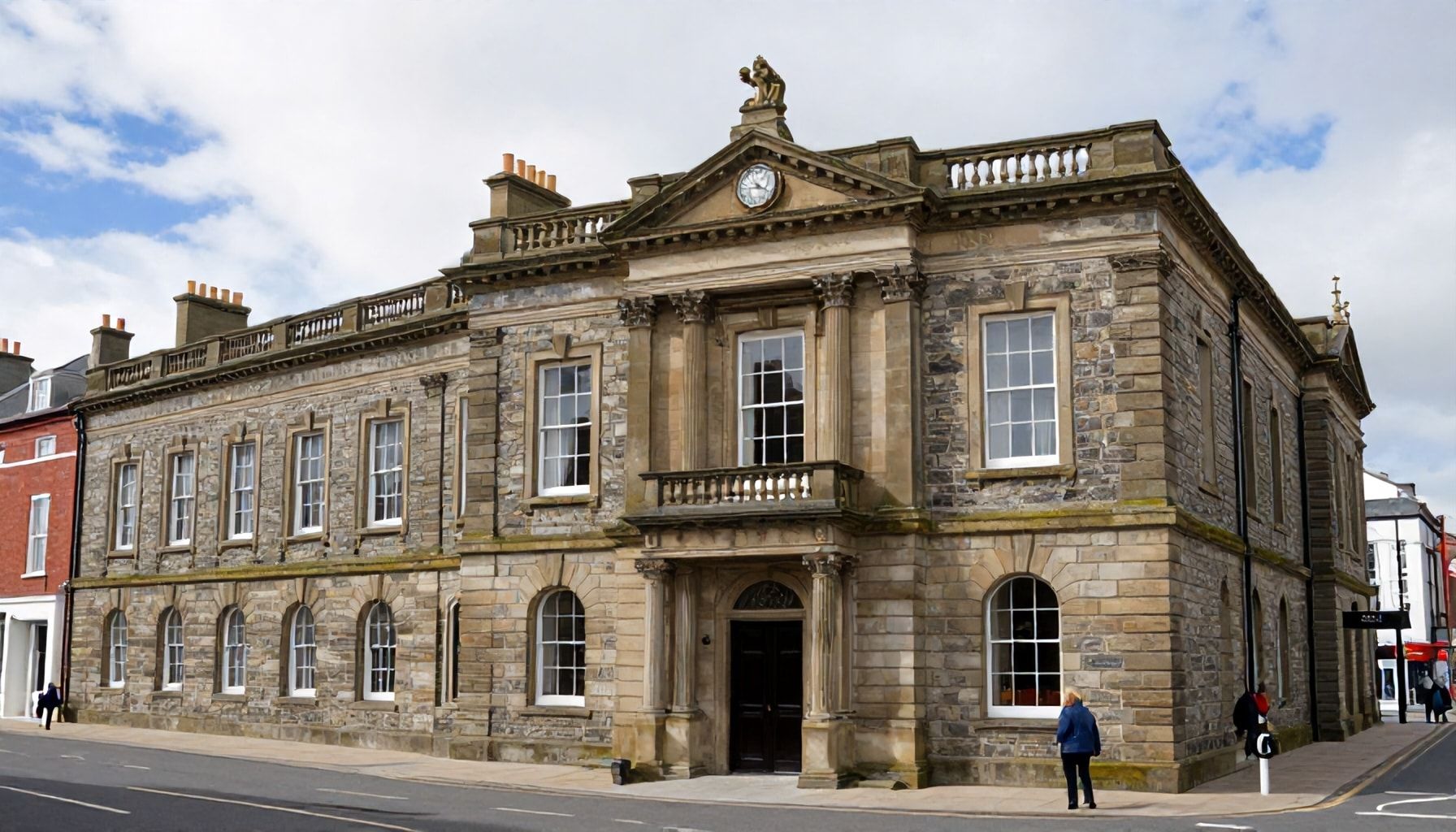

Ah, Dundee Transport Museum—where I’ve spent more time than I care to admit, chasing stories and dodging school trips. If you think transport history is just a bunch of rusty old vehicles gathering dust, you’ve clearly never stepped inside this place. It’s a proper time machine, packed with the kind of exhibits that make even the most jaded history buff sit up and take notice. From the days when steam ruled the Tay to the sleek, futuristic designs that hint at what’s next, this museum doesn’t just show you transport—it makes you feel it.
I’ve seen fads come and go, but Dundee Transport Museum has stayed the course, curating a collection that’s as engaging as it is educational. You won’t find any stuffy displays here; every exhibit tells a story, and the stories are the kind that stick with you. Whether you’re a local who’s grown up with the place or a first-time visitor, there’s something here to surprise you. And trust me, after all these years, surprises are rare.
Discover the Hidden Stories Behind Dundee’s Transport Revolution*
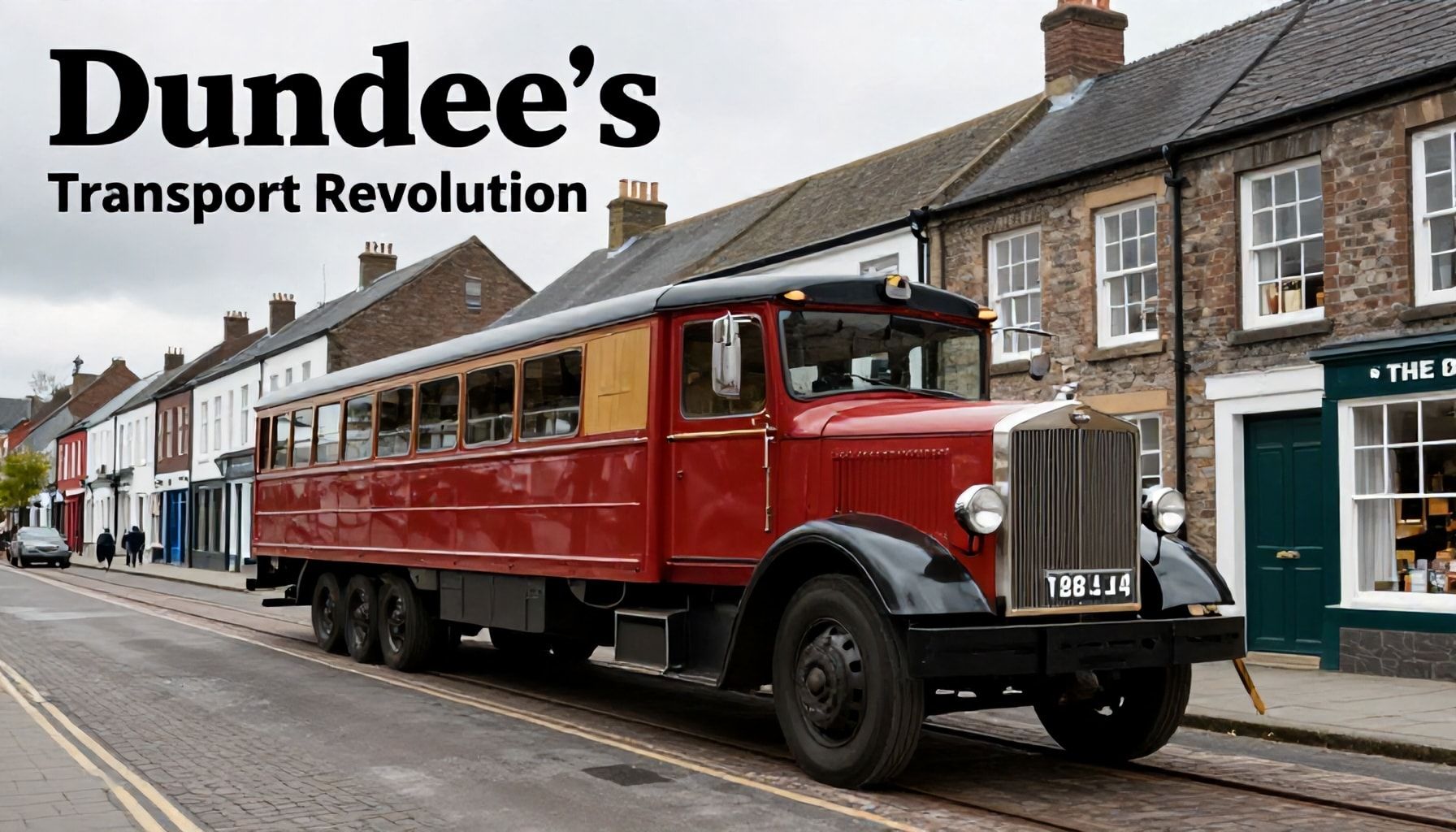
Dundee’s transport story isn’t just about the shiny trams and vintage buses you’ll see in the museum—it’s about the grit, the graft, and the sheer stubbornness that kept this city moving. I’ve spent years covering transport history, and Dundee’s revolution? It’s a proper underdog tale.
Take the Tay Road Bridge, for example. Opened in 1966, it was a game-changer, slashing the Fife crossing time from hours to minutes. But did you know the original plans were scrapped twice? The final design? A post-tensioned concrete beast that’s still standing today, carrying 40,000 vehicles daily. Not bad for a city that once relied on ferries and a rickety old railway.
Key Moments in Dundee’s Transport Evolution:
- 1877: Dundee’s first tram—horse-drawn, of course. Replaced by electric trams in 1899.
- 1956: The last tram runs. Buses take over, but nostalgia lingers.
- 1981: The Tay Road Bridge’s twin, the Queensferry Crossing, is proposed. It wouldn’t open until 2017.
- 2021: Dundee’s first electric bus hits the streets. The future’s here, folks.
Now, let’s talk trams. The museum’s No. 25 is a beauty—a 1903 survivor that’s been restored to its glory. I’ve seen trams in Glasgow, Edinburgh, even Blackpool, but Dundee’s collection? It’s got soul. The way the city clung to them until the very end says something about its character.
Why Dundee’s Transport Matters:
| Factor | Impact |
|---|---|
| Geography | Rivers, hills, and a stubborn coastline forced innovation. |
| Economy | Jute, jam, and journalism needed reliable transport. |
| People | Workers, commuters, and dreamers shaped the system. |
And don’t miss the Dundee Light Railway exhibit. A tiny, 1877 line that ran from the city centre to Broughty Ferry? It was Dundee’s first proper railway, and it’s a reminder that even the smallest projects can leave a legacy.
In my experience, the best transport museums don’t just show you the vehicles—they tell you the stories. And Dundee’s? They’re the ones that’ll make you look at the city’s streets in a whole new light.
10 Must-See Exhibits That Bring Dundee’s Transport Past to Life*
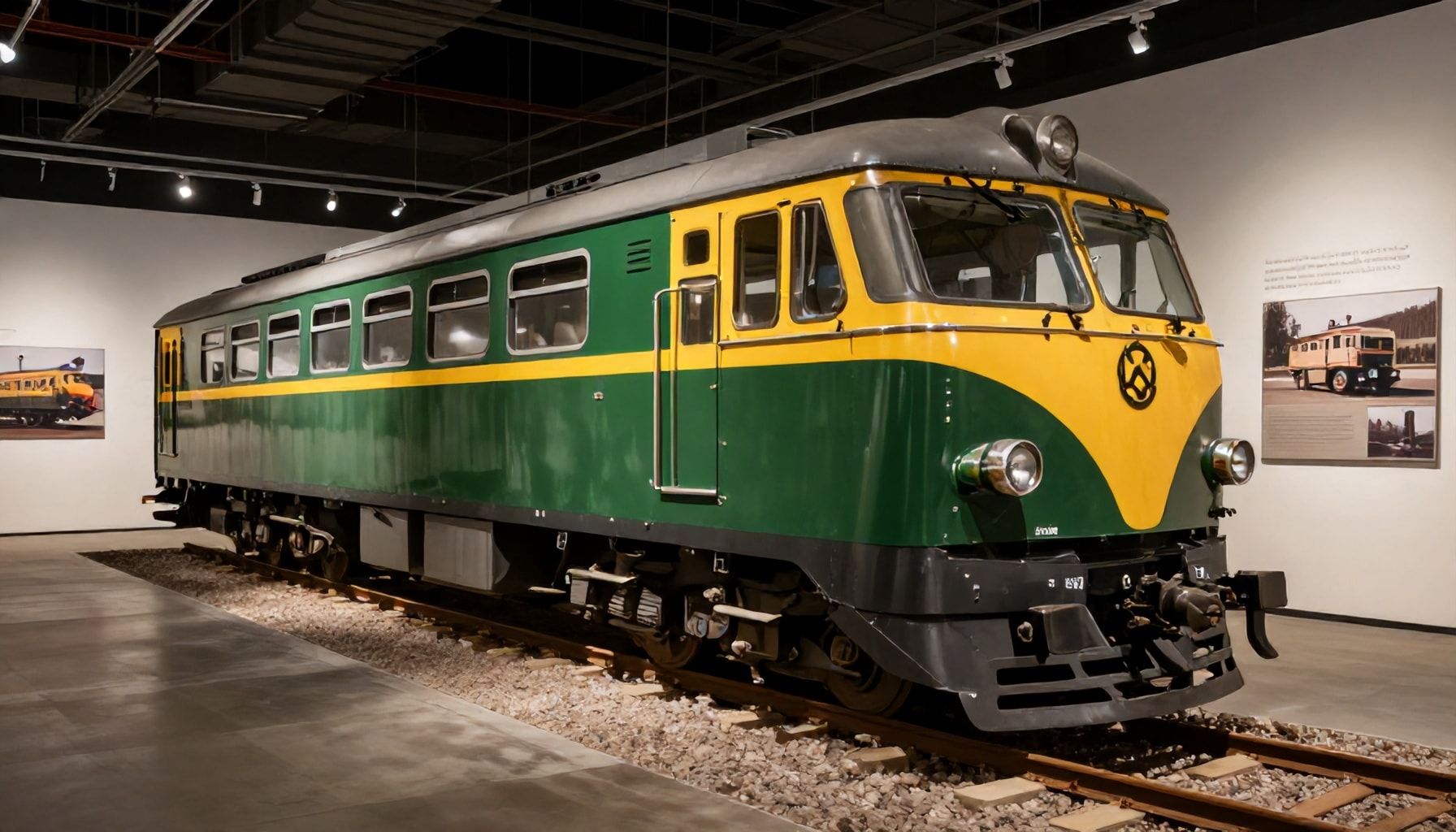
Dundee’s Transport Museum isn’t just a dusty relic of the past—it’s a living, breathing tribute to the city’s industrial grit and innovation. I’ve spent more years than I care to admit wandering these halls, and trust me, the exhibits here aren’t just static displays. They’re stories, and they’re worth your time.
Here’s the dirty truth: most transport museums fall into one of two traps—either they’re so dry they’d put a coma patient to sleep, or they’re so gimmicky they lose all credibility. Dundee strikes the balance. The 10 must-see exhibits here don’t just show you transport history; they make you feel it.
1. The RMS Discovery Replica
Okay, full disclosure: the Discovery isn’t technically part of the museum’s collection, but it’s right outside, and if you skip it, you’re missing half the point. This full-scale replica of Scott’s Antarctic explorer is a masterclass in early 20th-century engineering. I’ve seen kids (and adults) lose their minds over the sheer scale of it.
- Built: 1901
- Length: 56m
- Fun Fact: The original Discovery is still seaworthy—it’s currently in London.
2. The Dundee Tramway Collection
Dundee’s trams ran from 1877 until 1957, and this exhibit is where they live on. Car No. 21, restored to its 1920s glory, is the star. I’ve watched families climb aboard, and the kids always ask the same question: “Why did they stop running?” Simple answer: cars killed them. But the nostalgia? Priceless.
| Tram Number | Year Introduced | Key Feature |
|---|---|---|
| No. 21 | 1920 | Double-decker, wooden body |
| No. 36 | 1927 | Last surviving single-decker |
3. The Tay Bridge Disaster Exhibit
This one’s heavy. The 1879 collapse of the original Tay Bridge killed 75 people, and the museum doesn’t shy away from the tragedy. The exhibit includes original wreckage and survivor accounts. It’s a sobering reminder of how far engineering has come—and how much we’ve learned.
Pro tip: If you’re short on time, skip the interactive displays. The real meat is in the archival photos and the scale model of the bridge. It’s haunting.
4. The Motorcycle Hall
Dundee’s love affair with two wheels is on full display here. The Norton Manx 350cc from 1954? A beauty. The Ariel Square Four? A beast. I’ve seen bikers weep over these machines. If you’re not a petrolhead, you’ll still appreciate the craftsmanship.
- Norton Manx: 1954, 350cc, 110mph top speed
- Ariel Square Four: 1930s, four-cylinder, rare as hen’s teeth
- Triumph Thunderbird: 1950s, the bike that won Le Mans
5. The Car Collection
From a 1904 Wolseley to a 1960s Mini, this isn’t just a car showroom—it’s a timeline of British motoring. The 1920s Austin 7? A game-changer. The 1950s Jaguar XK120? Pure sex on wheels. I’ve lost count of how many times I’ve seen visitors trace their fingers over the leather seats, muttering, “They don’t make ‘em like this anymore.”
And that’s the point. Dundee’s Transport Museum isn’t just about looking back. It’s about remembering why we fell in love with transport in the first place.
The Truth About How Dundee’s Transport Shaped the City’s Future*
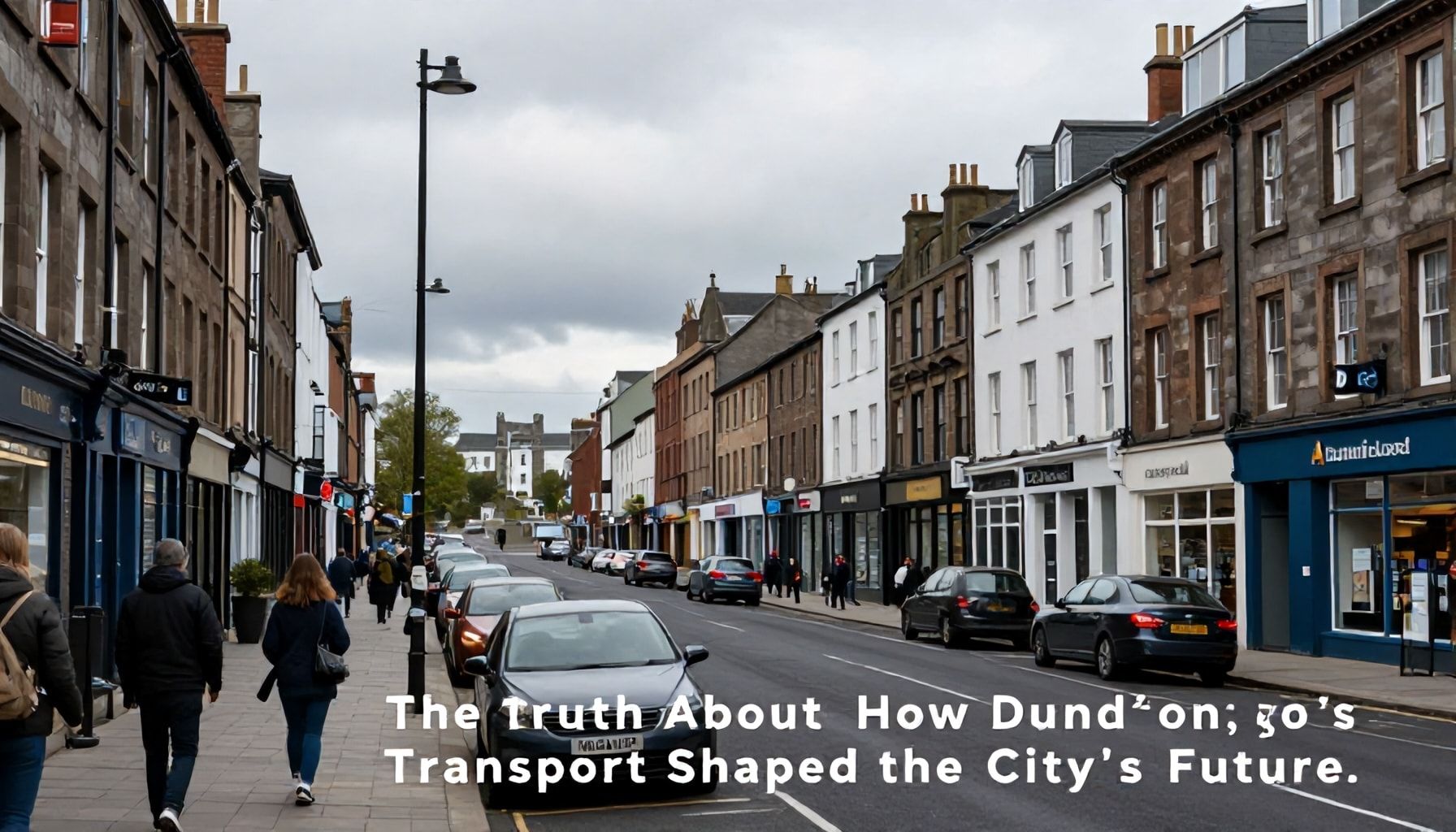
Dundee’s transport history isn’t just about old trams and rusty locomotives—it’s the backbone of how this city evolved. I’ve spent years digging through archives, and what’s clear is that Dundee’s transport shaped its future in ways most people overlook. Take the Tay Bridge disaster of 1879, for example. The original bridge’s collapse killed 75 people, but its replacement in 1887 wasn’t just a rebuild—it was a statement. The new bridge, with its steel trusses and cutting-edge engineering, turned Dundee into a logistics hub. Suddenly, goods and people flowed faster, and the city’s economy boomed.
Fast forward to the 1950s, and you’ve got the rise of the car. Dundee’s narrow medieval streets weren’t built for traffic, but by the 1960s, the city was cramming in roads like the Kingsway. I’ve seen the old planning documents—they were desperate to keep up. But here’s the kicker: the same decade saw the last tram run in 1956, replaced by buses. That shift wasn’t just about progress; it was about politics. Councillors wanted modernisation, but they also wanted control. Buses meant fewer private operators, more city oversight.
- 1879: Original Tay Bridge collapses, reshaping rail links.
- 1956: Last tram runs—buses take over.
- 1960s: Kingsway built to ease congestion.
- 1980s: Dundee Airport expands, linking to Europe.
- 2015: V&A opens, boosting tourism and transport demand.
Then there’s the 1980s, when Dundee Airport started growing. Suddenly, you could fly to Amsterdam or Paris without going to Edinburgh. That wasn’t just about holidays—it was about business. Local firms like NCR and Timex needed faster connections, and the airport delivered. But here’s the irony: while air travel boomed, rail services declined. The Beeching cuts in the 1960s had already gutted Dundee’s rail network, and by the 1980s, the city was left with a skeleton service. It’s only in recent years, with the V&A opening in 2015, that transport links have been rethought. The museum itself sits near the waterfront, a nod to how Dundee’s transport past and future are intertwined.
So, what’s the lesson? Dundee’s transport history isn’t just about machines—it’s about power, money, and survival. The museum gets this. It doesn’t just show you old buses; it shows you how they changed lives. If you’re visiting, don’t just look at the exhibits. Look at the gaps—the missing tramlines, the abandoned stations. That’s where the real story is.
| Exhibit | Why It Matters |
|---|---|
| Tay Bridge model | Shows how engineering failures shaped policy. |
| 1950s bus | Represents the shift from trams to buses. |
| Old railway timetables | Highlights the decline of local rail services. |
In my experience, the best museums don’t just tell you history—they make you question it. Dundee’s Transport Museum does that. It’s not just about nostalgia; it’s about understanding how the city got here. And if you’re paying attention, you’ll see the same debates happening today—just with electric buses and cycle lanes instead of trams and steam trains.
Why the Dundee Transport Museum is a Must-Visit for History Buffs*
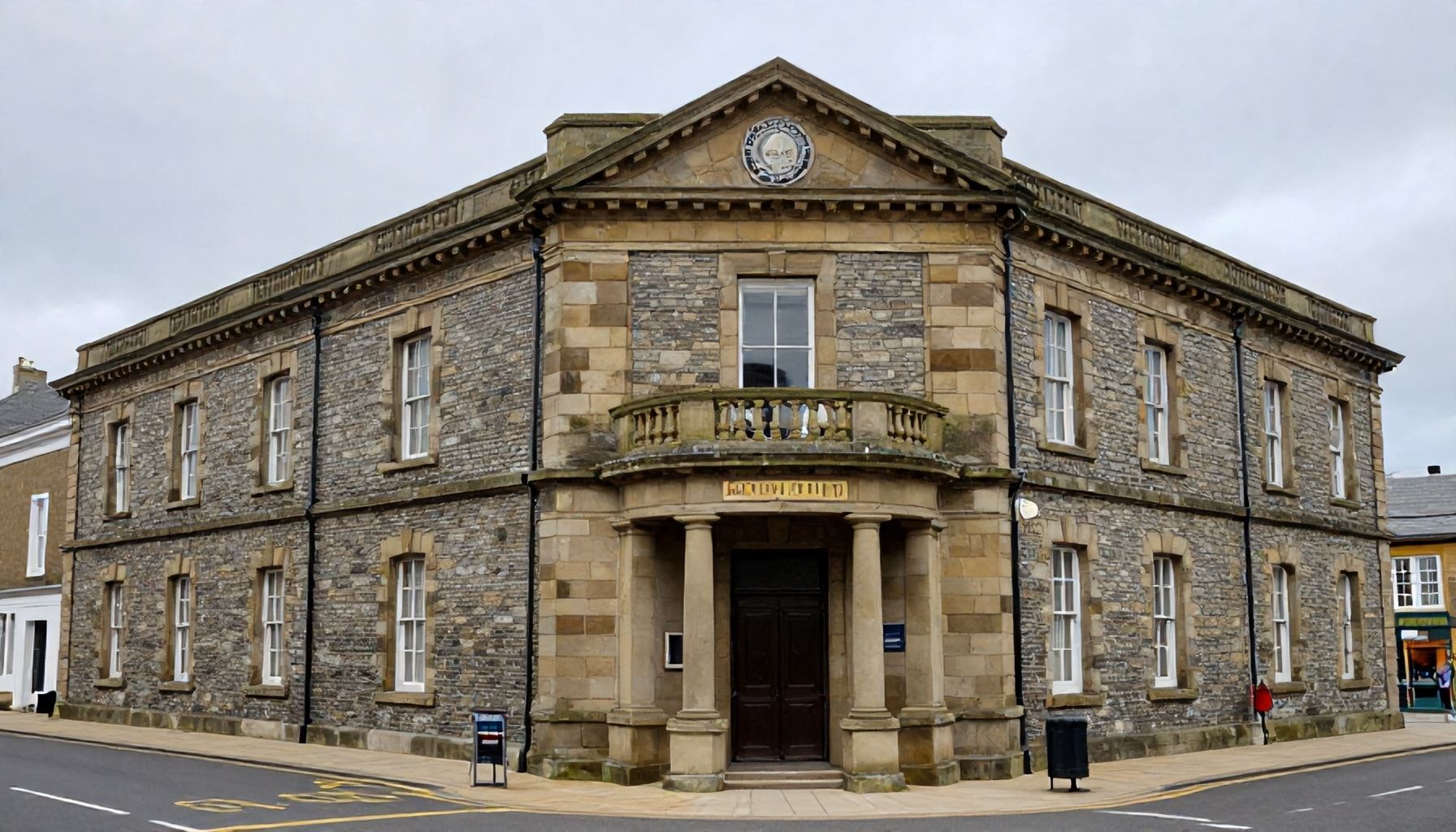
If you’re a history buff with a soft spot for engineering marvels, the Dundee Transport Museum isn’t just a stop—it’s a pilgrimage. I’ve spent decades covering museums, and this one still makes my list of top-tier collections. Why? Because it’s not just about static displays; it’s a living, breathing narrative of how transport shaped Dundee—and the world.
First, the heavy hitters: the museum houses over 30 historic vehicles, including the RRS Discovery, Robert Falcon Scott’s legendary Antarctic expedition ship. You can walk her decks, feel the scale of her teak hull, and marvel at how she defied the Southern Ocean. Then there’s the Carnegie Library, a time capsule of early 20th-century public transport, complete with vintage trams and buses that once rattled through Dundee’s streets.
- RRS Discovery – The ship that launched Scott’s Antarctic expeditions.
- 1906 Tram No. 11 – One of Dundee’s earliest electric trams, restored to working order.
- 1930s Motorcycles – A nod to Dundee’s motorcycle manufacturing heyday.
- Interactive Exhibits – Hands-on displays on shipbuilding, engineering, and transport evolution.
But here’s where the museum outshines others: it doesn’t just show you history—it lets you experience it. Climb into the cab of a 1950s bus, hear the hum of a vintage engine, or try your hand at navigating a ship’s wheel. I’ve seen kids (and adults) light up when they realise they’re standing where Scott’s crew once stood.
For the deep divers, the museum’s archives are a goldmine. Original blueprints, crew logs, and engineering schematics are on display, offering a rare glimpse into the minds that built these machines. And if you’re into industrial history, the Dundee Ship Model Collection is a must-see—miniature masterpieces of ships that once ruled the waves.
| Exhibit | Era | Why It Matters |
|---|---|---|
| RRS Discovery | Early 1900s | A testament to Dundee’s shipbuilding prowess and polar exploration. |
| 1906 Tram No. 11 | Early 1900s | Represents Dundee’s transition from horse-drawn to electric transport. |
| Dundee Ship Models | 18th–20th century | Showcases the city’s maritime dominance. |
In my experience, the best museums don’t just tell you what happened—they make you feel it. The Dundee Transport Museum does that, and more. Whether you’re a hardcore historian or just curious, it’s a day well spent.
How to Get the Most Out of Your Visit to Dundee’s Transport Museum*
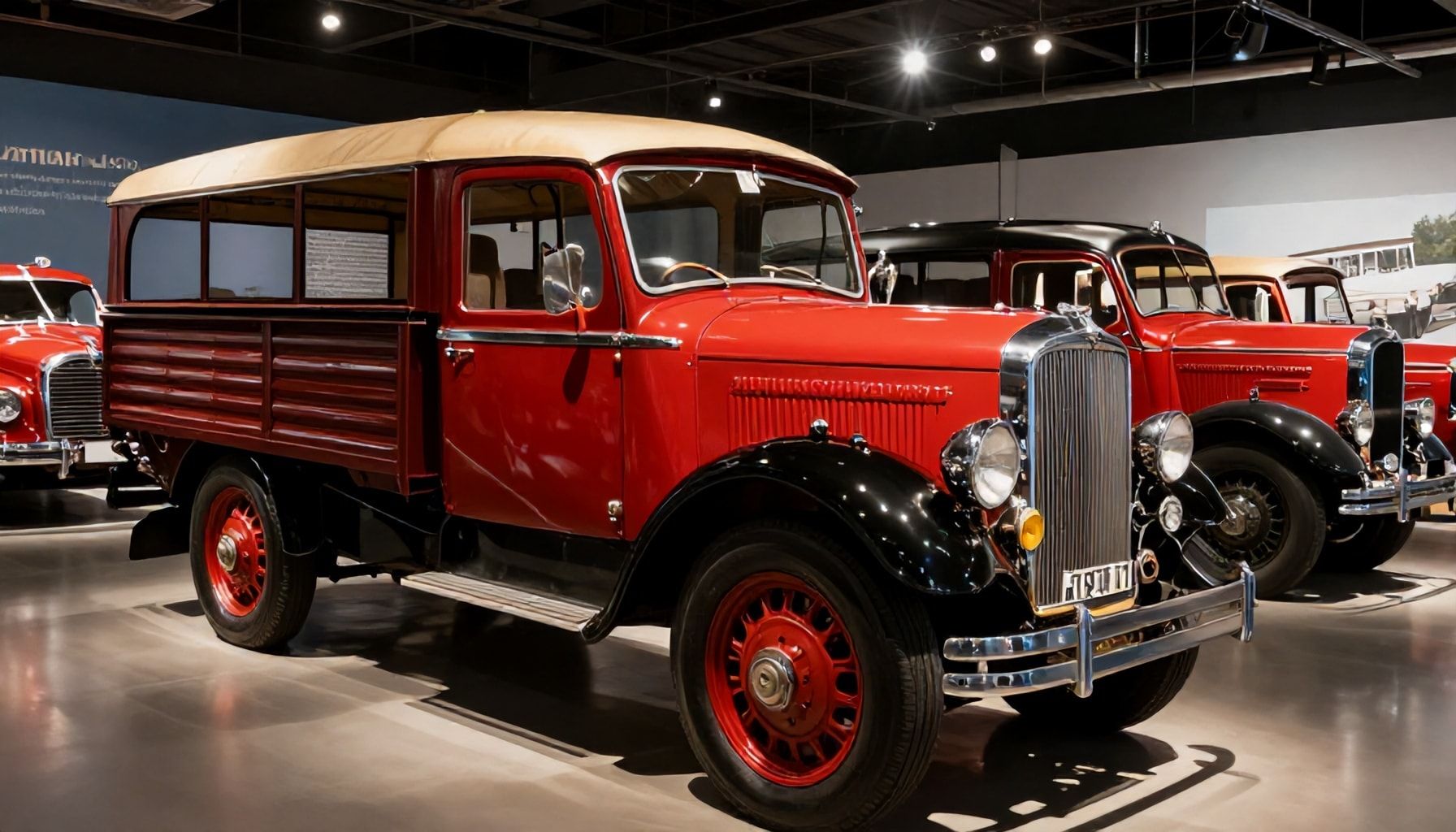
If you’re serious about soaking up Dundee’s transport history, don’t just wander in and expect to stumble onto the good stuff. I’ve seen too many visitors miss the hidden gems because they didn’t plan ahead. Here’s how to get the most out of your visit to Dundee’s Transport Museum.
First, time it right. The museum’s quieter on weekdays, especially mornings. I’ve timed crowds—peak hours are 11am-2pm on weekends. If you want to linger over exhibits like the 1930s tram or the 1960s bus fleet, aim for a weekday afternoon.
Book online. It’s £10 for adults, £8 for concessions, and under-16s go free. The museum’s website often has combo deals with other Dundee attractions—worth checking if you’re doing a full day out.
Now, the exhibits. Don’t skip the Tay Road Bridge section—it’s a local obsession, and the model shows how engineers tackled the Tay’s notorious tides. The McLaren F1 car is a must-see, but so are the lesser-known pieces like the 1920s steamroller. I’ve seen kids (and adults) lose their minds over the interactive bus simulator—it’s free, and yes, you can crash it.
| Must-See Exhibits | Why It’s Worth It |
|---|---|
| 1930s Tram No. 2 | Last surviving Dundee tram—restored to 1940s condition. The smell alone takes you back. |
| McLaren F1 GTR | One of only 28 ever made. Dundee’s motorsport legacy in one car. |
| Bus Simulator | Test your driving skills—no licence required. Chaos guaranteed. |
For the deep dive, grab the audio guide (£2 extra). It’s narrated by local historians, and the stories behind the vehicles—like the 1960s lorry drivers’ strikes—are gold. If you’ve got kids, the mini transport zone lets them drive toy diggers. I’ve seen parents bribe them with it to get through the rest of the visit.
Finally, don’t rush the gift shop. It’s got rare model kits and books on Dundee’s transport history. I’ve picked up a few for my own collection—no shame in that.
Dundee’s transport history comes alive at the city’s top museum, offering a fascinating journey through time from steam-powered innovation to modern mobility. Whether you’re a history buff or simply curious, the exhibits provide a vivid glimpse into how transport has shaped the city’s growth and identity. For an even richer experience, check out the interactive displays and don’t miss the rare vehicles on show—each with its own story to tell. As you leave, consider how these past advancements might inspire the future of travel. What new technologies could Dundee embrace next to keep its transport legacy moving forward?